Can LED Screens Be Used in Rainy Areas? What Should You Pay Attention To?
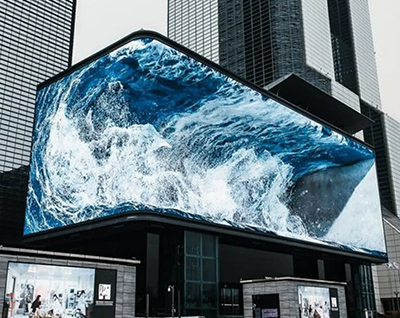
Yes, LED screens can absolutely operate in rainy environments. However, you must choose a professional outdoor waterproof LED display and follow proper installation and maintenance practices to ensure long-term reliability.
Without adequate waterproofing and protection, rain, humidity, and moisture can damage internal components and shorten the screen’s lifespan.
1. Waterproof Rating Is the Most Important Factor
When selecting an outdoor LED display for rainy regions, always check the IP protection rating.
| IP Rating | Recommended Environment | Description |
|---|---|---|
| IP65 | Standard outdoor applications | Protects against dust and water spray. Suitable for most rainy regions. |
| IP66 | Heavy rain and storm-prone areas | Provides stronger protection against powerful water jets and severe weather. |
| IP67 / IP68 | Extreme environments | Can withstand temporary water immersion and specialized harsh conditions. |
Recommendation
- Choose at least IP65 for general outdoor use.
- In areas with frequent storms or heavy rainfall, select IP66 or higher for better reliability.
2. Installation Details Matter
Even a high-IP-rated LED screen can fail if installers ignore waterproof design details.
Proper Drainage Design
The cabinet should include drainage holes or drainage channels at the bottom or rear side to prevent water accumulation.
Standing water increases the risk of corrosion, leakage, and internal damage.
Reliable Sealing
Installers should seal:
- Cabinet joints
- Module gaps
- Cable entry points
They typically use:
- Waterproof rubber strips
- Silicone sealants
- Weatherproof gaskets
Good sealing prevents rainwater from entering the cabinet.
Install the Screen at a Slight Angle
A small installation tilt—usually around 5° to 10°—helps rainwater flow away naturally.
This design reduces water buildup on the top surface and improves long-term waterproof performance.
Grounding and Lightning Protection
Outdoor LED displays must include:
- Proper grounding systems
- Lightning protection devices
- Surge protection
Rainstorms often increase lightning risks, so electrical protection becomes essential for equipment safety.
Balance Waterproofing and Ventilation
Although waterproofing is important, the cabinet still needs proper airflow.
Completely sealed cabinets may trap moisture inside, which can lead to internal condensation. Therefore, manufacturers must balance waterproof protection with heat dissipation and ventilation design.
3. Choose Durable Structural Materials
The cabinet material and component protection directly affect outdoor durability.
Cabinet Materials
Choose cabinets made from:
- Die-cast aluminum
- Galvanized steel
These materials resist corrosion much better than ordinary iron cabinets.
Waterproof Module Protection
Outdoor LED modules should include:
- Waterproof front masks
- Protective conformal coating on PCBs
- Glue encapsulation for sensitive components
These protective layers help prevent moisture damage.
Waterproof Connectors
Power and signal connectors must use waterproof connectors instead of exposed wiring.
High-quality waterproof interfaces significantly reduce short-circuit risks during rainy weather.
4. Perform Regular Maintenance
Routine maintenance helps outdoor LED screens maintain stable performance in wet environments.
Check Seals Regularly
Inspect cabinet sealing strips every few months to ensure they:
- Remain flexible
- Do not crack
- Stay firmly attached
Aging seals can allow water infiltration.
Remove Standing Water and Debris
Technicians should regularly clean:
- Water accumulation
- Leaves
- Dust
- Debris around drainage areas
Blocked drainage systems often cause moisture problems.
Be Careful After Long Rainy Periods
After extended humid or rainy weather:
- Ventilate the screen before powering it on
- Remove internal moisture if condensation appears
If internal condensation becomes severe, dry the cabinet completely before restarting the display.
Avoid Live Maintenance During Rain
Do not perform powered maintenance work during rainy or highly humid conditions. Wet environments increase electrical safety risks for technicians and equipment.
5. Consider Other Environmental Factors
Different outdoor environments create additional challenges for LED displays.
| Environmental Factor | Recommended Solution |
|---|---|
| High humidity | Use desiccants or install small dehumidification devices inside the cabinet |
| Salt fog in coastal areas | Choose anti-corrosion and salt-resistant materials and components |
| Large temperature differences | Use weather-resistant silicone seals that handle thermal expansion and contraction |
Conclusion
Rainy regions can absolutely support outdoor LED displays. The key lies in choosing the right product, following professional installation practices, and performing regular maintenance.
If your budget allows, invest in a high-quality outdoor LED screen from a reputable manufacturer and hire experienced installation professionals to handle waterproofing details correctly. This approach will greatly improve screen lifespan, reduce failure rates, and ensure stable operation even in harsh weather conditions.


