Circular LED Display Prototype Approval: What Buyers Should Check Before Mass Production
1. Why Prototype Approval Matters
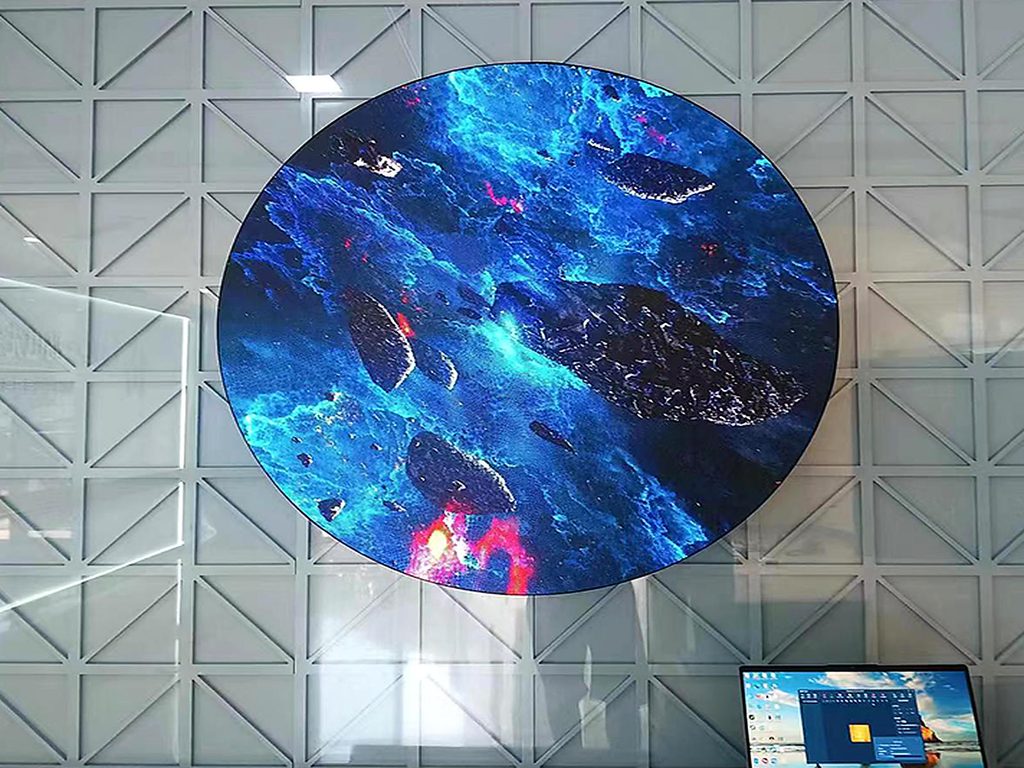
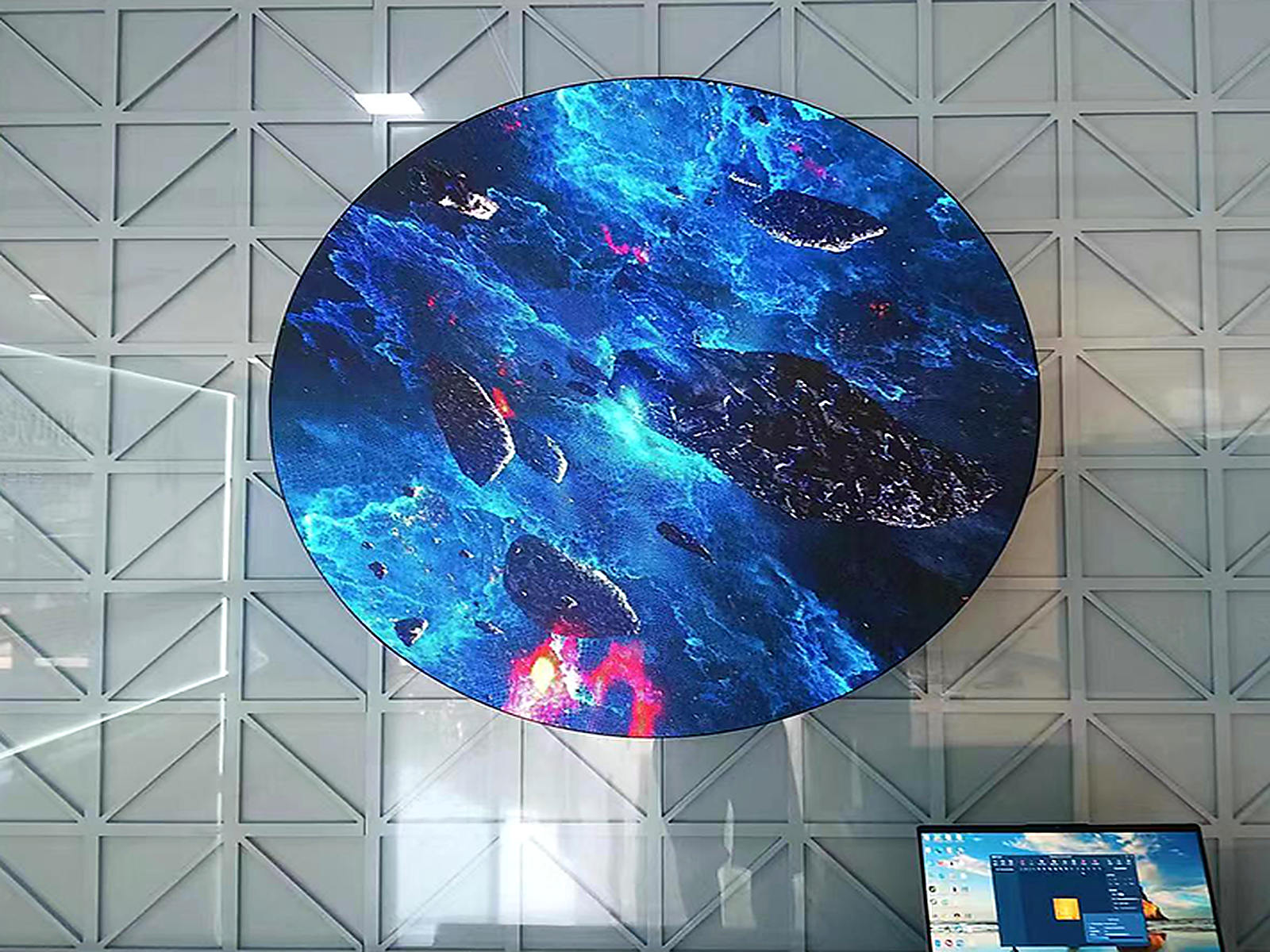
A circular LED display may look correct in a design drawing, but the finished product can reveal problems that are difficult to notice before assembly. The actual diameter, module arrangement, connection points, and display performance all need to be checked.
For buyers, approving a prototype is an important step before mass production. It provides an opportunity to confirm whether the product meets the original project requirements.
If the prototype is not carefully inspected, the same problem may appear across multiple units. Correcting one sample is usually easier and less expensive than modifying an entire production batch.
2. What Can Go Wrong Without Proper Approval?
Mass production involves many LED modules, structural components, power supplies, and control systems. Even a small mistake in the first sample can affect the final products.
Common problems include:
- Incorrect dimensions: The actual diameter may not match the approved drawings.
- Module arrangement differences: Module positions or connection points may affect the circular appearance.
- Structural mismatch: Mounting brackets and supporting frames may not fit the installation design.
- Display inconsistency: Brightness and color may differ between different screen sections.
- Maintenance difficulties: Some components may be difficult to access after installation.
These problems can lead to additional production costs, delayed delivery, and disputes between buyers and manufacturers.
3. Why Do Prototype Differences Happen?
There are several reasons why a prototype may differ from the original design.
First, design drawings do not always show every production detail. A circular display requires multiple modules to follow a specific arrangement around a curved structure. Small differences in module dimensions or mounting positions can affect the final shape.
Second, some requirements may not be clearly defined before production. For example, buyers may confirm the overall diameter but overlook the exact installation method, cable positions, or maintenance access.
Third, different materials and production batches may introduce variations. If the manufacturer does not establish clear production specifications, the prototype and mass-produced units may not be fully consistent.
4. Five Key Items to Check Before Approval
Before approving a circular LED display prototype, buyers should review the following points.
1. Overall Dimensions and Shape
Measure the actual diameter, overall height, and external dimensions. Compare them with the approved technical drawings.
Check whether the circular outline looks consistent from different viewing positions. Also inspect the connections between modules to identify visible gaps or uneven transitions.
2. Module Arrangement
Confirm the number of modules, their positions, and their installation direction.
The manufacturer should provide a module layout drawing or assembly reference. This helps ensure that future units follow the same configuration.
3. Structural Design
Check the frame, fixing points, brackets, and connection components.
For hanging installations, confirm that the supporting structure matches the project's engineering requirements. For floor-mounted displays, check the base and overall stability.
4. Electrical and Signal Connections
Inspect power input positions, signal interfaces, cable routing, and control system compatibility.
Make sure the connections are accessible and arranged according to the approved electrical drawings. Buyers should also confirm the required voltage and power configuration.
5. Display Performance
Play several test patterns and actual project content.
Check brightness consistency, color reproduction, grayscale performance, and image continuity across the circular surface.
Do not approve the sample based only on one attractive demonstration video.
5. How to Test the Prototype Before Mass Production
A practical prototype inspection should include both physical and display tests.
Start with a dimensional inspection. Use measuring tools to compare the actual product with the approved drawings. Record important measurements instead of relying on visual judgment.
Next, conduct a full-screen display test.
Use red, green, blue, white, and black test images to identify abnormal pixels, color differences, and uneven brightness. Gray-scale patterns can also help reveal problems that are difficult to notice in colorful content.
After that, run the display continuously for an agreed testing period. Monitor temperature changes, signal stability, and unexpected shutdowns.
Finally, test the installation and maintenance process. Check whether the screen can be assembled, connected, and serviced according to the project plan.
All inspection results should be recorded in a prototype approval report.
6. Prepare a Clear Approval Standard
Before mass production, buyers and manufacturers should agree on a written approval standard.
This document should include:
- Approved product drawings and dimensions
- Pixel pitch and LED configuration
- Module quantity and arrangement
- Brightness and refresh rate requirements
- Power and signal connection specifications
- Structural materials and installation details
- Inspection results and accepted tolerances
It is also useful to keep an approved prototype as a reference sample, sometimes called a golden sample.
The golden sample provides a physical reference for checking later production units. If any specification needs to change, both parties should confirm the revision before manufacturing continues.
7. Example: Custom Circular LED Display for a Commercial Project
Consider a shopping mall project that requires several circular LED displays with the same appearance and technical configuration.
Before mass production, the buyer receives one prototype for inspection.
During the review, the buyer checks the diameter, module arrangement, frame connections, cable positions, and display performance. A small adjustment is made to the mounting structure to match the installation requirements.
After the revised sample passes inspection, the buyer signs the approval document. The manufacturer can then use the confirmed drawings and sample as production references.
This process helps reduce unnecessary modifications and makes communication between the buyer, designer, and manufacturer more efficient.
8. FAQ
Q1: Why should buyers approve a prototype before mass production?
Prototype approval helps identify design, structural, and display problems before they are repeated across the entire production batch.
Q2: What should be included in a prototype approval report?
It should include product dimensions, technical specifications, module arrangement, structural details, display test results, inspection photos, and approval signatures.
Q3: Can mass production start after a video demonstration?
A video is useful for an initial review, but it cannot replace physical inspection. Buyers should confirm critical dimensions, connections, structural details, and display performance before approval.
Q4: What is a golden sample in LED display production?
A golden sample is an approved physical product used as a reference for checking subsequent production units. It helps maintain consistency in appearance, dimensions, and configuration.
Q5: Can buyers request changes after prototype approval?
Yes, but changes should be documented and confirmed by both parties. Major changes may require another prototype review before mass production.
9. Choose a Manufacturer with Clear Quality Control
Prototype approval is not simply a final confirmation. It is a practical way to reduce production risks and make sure the finished display matches the original project requirements.
TOOSLED provides customized spherical and creative LED display solutions, including different diameters, pixel pitches, installation structures, and indoor or outdoor configurations.
Our production process includes material inspection, product testing, assembly checks, and aging tests. We also support customized project drawings and technical configuration discussions before production.
If you are planning a circular LED display project, contact TOOSEN to discuss your design, technical requirements, and prototype approval process.
A properly approved prototype is the first step toward reliable mass production.


