Creative LED Dance Floor Display Solutions for Indoor and Outdoor Venues
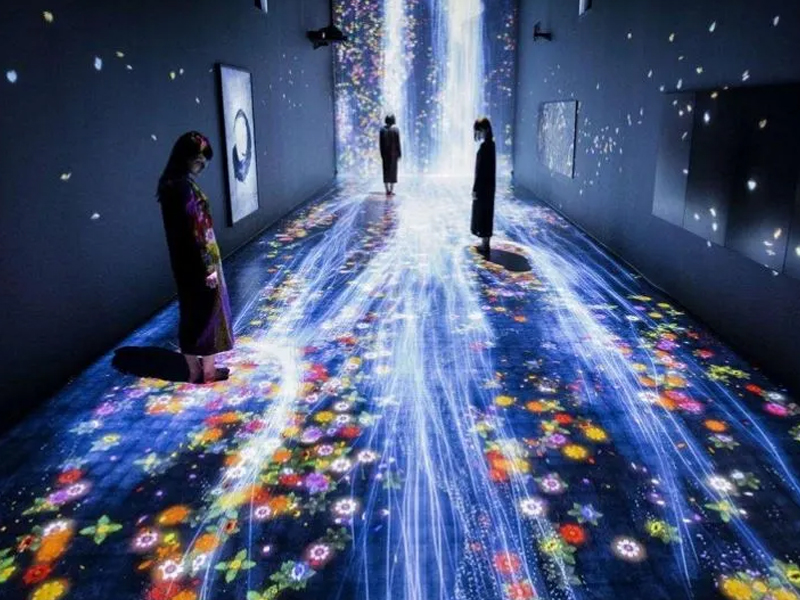
In the era of immersive entertainment and experiential marketing, venues constantly search for ways to create unforgettable visual experiences. Traditional lighting and static floors no longer satisfy audiences who expect dynamic and interactive environments. As a result, creative LED dance floor displays have become a popular solution for clubs, events, concerts, and entertainment venues.
Both indoor and outdoor LED dance floor screens combine advanced LED technology with durable structural design. They transform ordinary floors into dynamic visual platforms that display videos, animations, and interactive effects. With the right design and installation, these displays can dramatically enhance atmosphere, engagement, and brand value.
This article explores how indoor and outdoor LED dance floor solutions work, their advantages, and how to choose the right system.
What Is a Creative LED Dance Floor Display?
A LED dance floor display is a floor-mounted LED screen designed to support foot traffic while delivering high-quality visual effects. Engineers build the system using reinforced LED modules, tempered glass or PC protective panels, load-bearing cabinets, and intelligent control systems.
Unlike traditional stage lighting, LED dance floors can display full-color images, videos, dynamic patterns, and interactive effects. When people walk across the floor, sensors can even trigger real-time visual responses.
These displays are widely used in:
- Nightclubs and bars
- Concert stages
- Exhibition halls
- Shopping mall events
- Wedding venues
- Outdoor festivals and public squares
By combining lighting, digital media, and architecture, LED dance floors create a fully immersive experience.
Key Advantages of LED Dance Floor Displays
Immersive Visual Experience
The biggest advantage of LED dance floors is their ability to turn the entire floor into a visual canvas. Instead of simple lighting effects, the floor can display animations, flowing patterns, brand logos, or synchronized stage visuals.
For example, a nightclub may show moving waves or rhythm-based graphics that match the music. Event organizers may display themed graphics during product launches or celebrations.
These effects make the environment more dynamic and encourage audience participation.
High Load Capacity and Safety
Since people walk, dance, and sometimes jump on the surface, LED dance floor displays require strong structural design.
High-quality systems typically feature:
- Tempered glass or PC protective panels
- Reinforced steel or aluminum cabinets
- Anti-slip surface treatment
Most professional LED dance floors support load capacities of 1.5–2 tons per square meter, ensuring safe operation even in crowded environments.
Strong Visual Performance
LED dance floor displays provide high-resolution visuals with vivid colors and strong brightness. This ensures that content remains clear even under stage lighting or daylight conditions.
Typical specifications include:
- High contrast ratio
- Wide viewing angles
- Smooth video playback
These features allow the display to function both as a decorative floor and as a key visual element of the venue.
Interactive Capabilities
Modern LED dance floors often include interactive sensor technology. Infrared or pressure sensors detect human movement and trigger real-time visual responses.
For example:
- Footsteps create ripples or light waves
- Interactive games appear on the floor
- Logos or patterns react to audience movement
This interactivity significantly increases audience engagement, especially in entertainment venues and promotional events.
Flexible Customization
Every venue has unique design requirements. LED dance floors support modular configurations, which allow designers to create different shapes and sizes.
Common layouts include:
- Square dance floors
- Circular stages
- Runway-style floors for fashion shows
- Large outdoor LED plazas
Because of modular design, installers can easily expand or reconfigure the display for different events.
Indoor vs. Outdoor LED Dance Floor Solutions
While the core technology remains similar, indoor and outdoor environments require different design priorities.
Indoor LED Dance Floors
Indoor installations typically focus on high resolution and visual quality because viewers often stand close to the display.
Common characteristics include:
- Pixel pitch: P2.6 – P4.8
- Brightness: 800–1500 cd/m²
- Lightweight cabinet structure
- Seamless integration with stage lighting systems
These systems are widely used in nightclubs, concert halls, exhibitions, and event venues.
Outdoor LED Dance Floors
Outdoor applications require stronger environmental protection and higher brightness.
Key features include:
- Pixel pitch: P4.8 – P6.25
- Brightness: ≥4000 cd/m²
- Waterproof protection: IP65 or higher
- Enhanced structural reinforcement for weather resistance
Outdoor LED dance floors are ideal for music festivals, outdoor concerts, city events, and tourism attractions.
Key Technical Factors to Consider
Selecting the right LED dance floor solution requires careful evaluation of several technical factors.
Load-Bearing Capacity
Safety is the top priority. Choose systems that support at least 1500 kg per square meter to ensure stable performance during high foot traffic.
Surface Protection
The protective layer must resist scratches, impacts, and moisture. High-quality systems use tempered glass or polycarbonate (PC) surfaces with anti-slip treatment.
Pixel Pitch and Resolution
The ideal pixel pitch depends on viewing distance.
- P2.6 – P3.9: best for close indoor viewing
- P4.8 – P6.25: suitable for larger outdoor spaces
A smaller pitch improves image clarity but increases cost.
Brightness
Indoor venues require moderate brightness to prevent glare, while outdoor displays must remain visible under sunlight.
- Indoor: 800–1500 cd/m²
- Outdoor: 4000–6000 cd/m²
Control System
A professional control system allows operators to manage video content, lighting synchronization, and interactive effects.
Many systems support:
- Real-time video playback
- DMX stage lighting synchronization
- Interactive sensor integration
- Remote content management
Installation and Maintenance Tips
Proper installation ensures long-term performance and safety.
First, designers should carefully plan the floor structure and cable routing before installation. This prevents wiring conflicts and improves overall stability.
Second, installers should leave maintenance access points so technicians can quickly replace modules if needed.
Third, for outdoor installations, engineers must evaluate drainage systems and waterproof sealing to prevent moisture damage.
Finally, regular inspections help maintain consistent performance and extend the system’s lifespan.
Conclusion
Creative LED dance floor displays provide a powerful way to transform ordinary spaces into immersive digital environments. By combining high-strength structural design, advanced LED technology, and interactive capabilities, these systems deliver both visual impact and reliable performance.
Whether used in nightclubs, concert stages, exhibitions, or outdoor festivals, LED dance floor solutions enhance audience engagement and create unforgettable experiences. As entertainment technology continues to evolve, LED dance floors will play an increasingly important role in modern event design and venue branding.


