Custom Shaped LED Display Color Consistency: How to Check Color Differences Between Modules
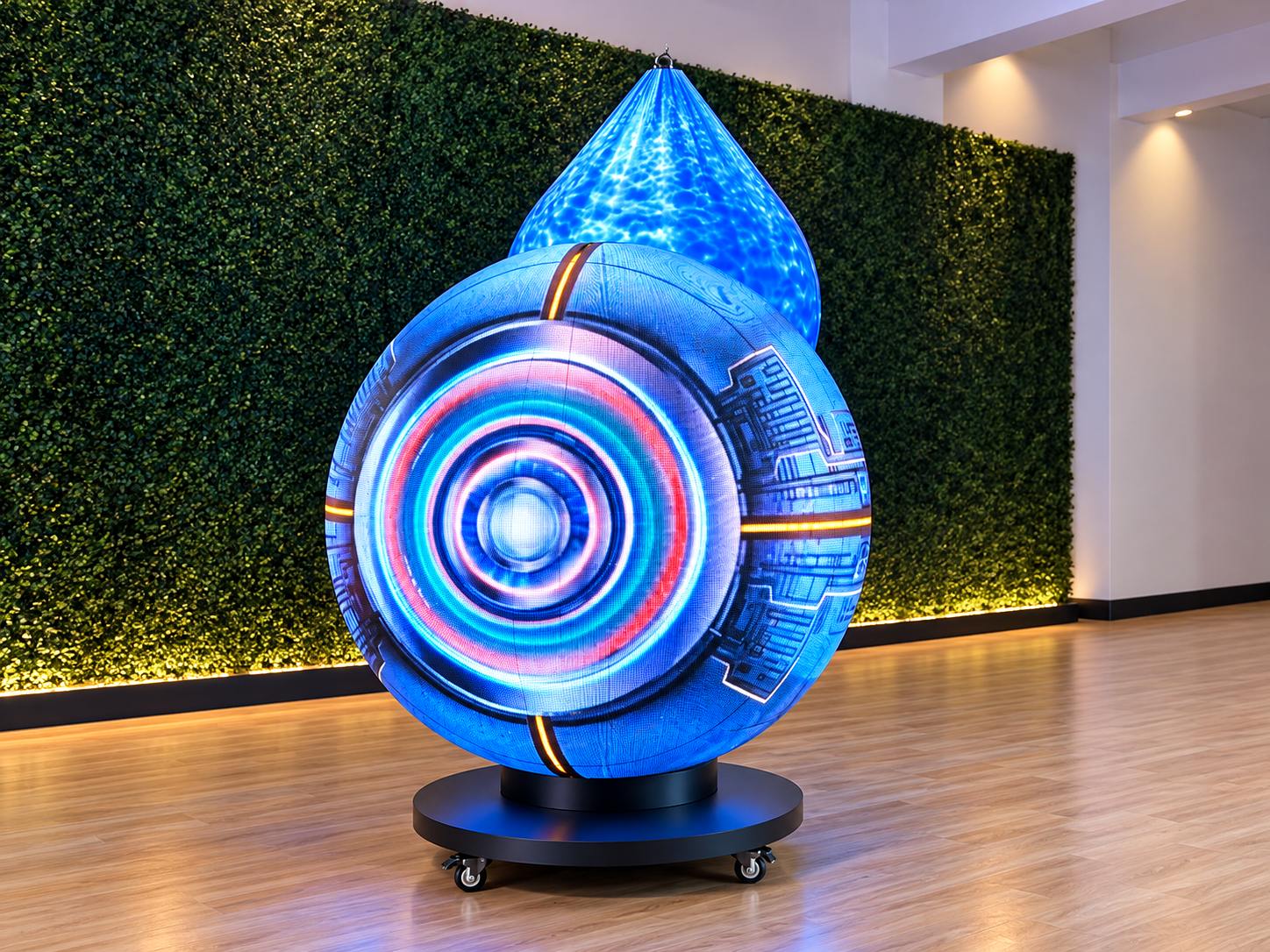
A custom shaped LED display can attract attention with its unique design, but its visual quality depends on more than its shape. When several LED modules are connected, even small color differences can become visible across the screen. One section may look slightly warmer, while another appears cooler or brighter.
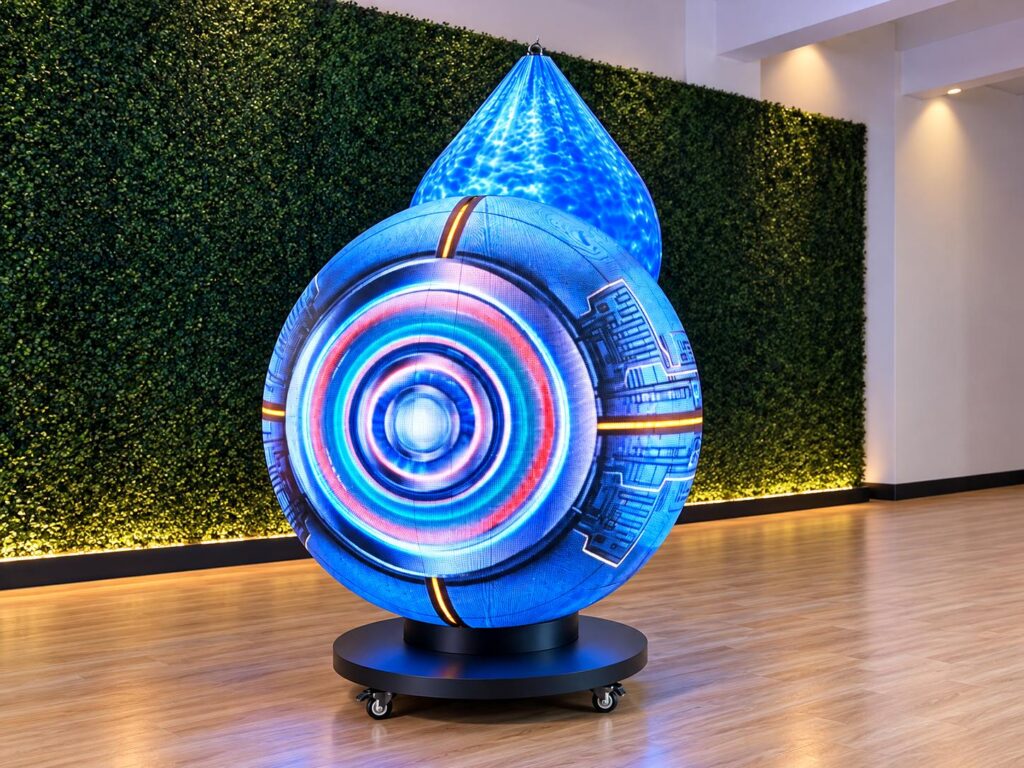
This problem is especially noticeable on circular LED displays, letter-shaped screens, curved displays, and other irregular structures. Before delivery and installation, buyers should check whether all modules produce a consistent image.
1. Why Does Color Consistency Matter?
Color inconsistency can make a custom LED display look unfinished. For example, a white background may appear slightly yellow on one module and blue on another. Red, green, and blue content may also show different shades across the screen.
These differences are easy to notice when displaying large areas of a single color, company logos, or simple graphics.
For commercial projects, poor color consistency can affect brand presentation and the overall viewing experience. It may also create additional maintenance work if the problem is discovered after installation.
2. What Causes Color Differences Between LED Modules?
Several factors can cause color variations between modules.
Different LED lamp batches: LED chips from different production batches may have slightly different brightness and color characteristics. Mixing these modules without proper matching can create visible differences.
Brightness and color coordinate variations: Even when modules use the same pixel pitch, their brightness and RGB color output may not be exactly the same.
Inconsistent calibration settings: Modules may have different correction data or receiving card parameters. Incorrect configuration can cause brightness and color differences.
Temperature changes: LED performance can change as operating temperature increases. Modules with different thermal conditions may produce slightly different output after extended operation.
Different viewing angles: On curved and irregular screens, viewers may see different parts of the display from different angles. This can make some color variations more noticeable.
3. How to Improve Color Consistency
Color consistency should be considered during production rather than corrected only after installation.
First, use LED modules with consistent specifications and, whenever possible, the same LED lamp batch. This reduces the differences between individual modules.
Second, group modules according to their brightness and color characteristics before assembly. Modules with similar performance should be used together.
Third, complete brightness and color calibration using the same correction standards. The goal is to make the modules produce a consistent image when connected as one complete screen.
Finally, check the calibration data and receiving card settings. Incorrect configuration may cause differences even when the hardware itself is well matched.
4. How to Test Color Differences Between Modules
A practical color consistency inspection should include several test patterns.
1. White screen test
Display a full white image and inspect the screen from the front. Look for yellow, blue, or gray areas between neighboring modules.
2. RGB primary color test
Display solid red, green, and blue images separately. Check whether neighboring modules show different color shades or brightness levels.
3. Gray-level test
Display several gray levels, including darker and lighter gray backgrounds. This helps identify subtle differences that may not be obvious on bright images.
4. Module boundary inspection
Pay special attention to the connection areas between modules. On custom shaped LED displays, irregular edges and curved sections can make small differences easier to notice.
5. Camera and color measurement
For more accurate inspection, use a colorimeter or calibrated camera to compare selected areas. Record the brightness and chromaticity values at consistent measurement positions.
Measurements should be taken under the same conditions, including viewing angle, distance, brightness setting, and operating temperature.
5. What Should Buyers Check Before Final Acceptance?
Before accepting a custom shaped LED display, buyers should request a complete screen test rather than checking only individual modules.
The inspection should include:
- Full white, red, green, and blue images.
- Multiple gray-level test patterns.
- Color consistency across module boundaries.
- Calibration data and configuration records.
- A continuous operating test to observe changes after the screen heats up.
For projects with special shapes, buyers should also inspect curved edges, corners, and transitions between different structural sections.
A screen that looks consistent during a short demonstration should also maintain its appearance after normal operating conditions are reached.
6. Which Components Affect Color Performance?
Several components work together to maintain consistent image quality.
LED modules: Consistent LED lamp quality, brightness, and color characteristics provide the foundation for uniform output.
Receiving cards: These control image signals sent to different modules. Consistent settings help prevent configuration-related differences.
Control system: Proper color correction and calibration functions allow technicians to adjust the display as a complete system.
Power supply: Stable power delivery helps modules operate under consistent electrical conditions.
For custom shaped LED displays, the mechanical structure also matters. Proper module positioning and reliable connections help maintain consistent viewing conditions across the screen.
7. Color Consistency in Different Custom LED Projects
Color matching is important for many types of special-shaped displays.
For a circular LED display, the inspection should cover the entire circumference, especially where modules connect along curved sections.
For a letter-shaped LED display, buyers should check whether different letters show the same brand colors. This is important for logos and commercial signage.
For a flexible or curved LED display, technicians should inspect color output across different bending sections to identify any visible differences.
Each project has its own structure, so the inspection plan should match the actual module layout.
8. Why Choose TOOSEN for Custom Shaped LED Displays?
TOOSLED provides LED display solutions covering design, production, installation, and maintenance. The company focuses on spherical, flexible, indoor, outdoor, and custom shaped LED displays.
For projects requiring special structures, module matching and color calibration should be considered during production and final testing. This helps reduce visible differences after installation.
TOOSLED also provides OEM services and after-sales support, with a 24-month product warranty and lifetime maintenance support under its stated service policy.
Whether the project involves a circular screen, a creative letter display, or another irregular LED structure, proper module selection and color inspection are important parts of delivering a reliable display.
9. Frequently Asked Questions
Q1: Why do LED display modules have different colors?
Color differences may come from LED lamp batches, brightness variations, color coordinates, temperature, or inconsistent calibration settings.
Q2: How can I check color consistency between LED modules?
Display full white, red, green, blue, and gray test patterns. Inspect neighboring modules and use a calibrated colorimeter when more accurate measurements are required.
Q3: Can color differences be corrected after installation?
In many cases, yes. Technicians can use the control system to adjust brightness and color calibration. However, severe hardware differences may require module replacement.
Q4: Does pixel pitch affect color consistency?
Pixel pitch does not directly determine color consistency. LED quality, module matching, calibration, and operating conditions are more important factors.
Q5: Should color calibration be completed before delivery?
Yes. A complete display should undergo color consistency checks and calibration before delivery to reduce problems during on-site installation.
Conclusion
Color consistency is an important part of custom shaped LED display quality. By checking LED batches, module brightness, RGB output, calibration settings, and operating temperature, buyers can identify potential problems before final acceptance. A well-matched display not only looks better but also provides a more consistent visual experience throughout its service life.


