Fixed LED Displays vs Mobile LED Trucks: What’s the Difference?
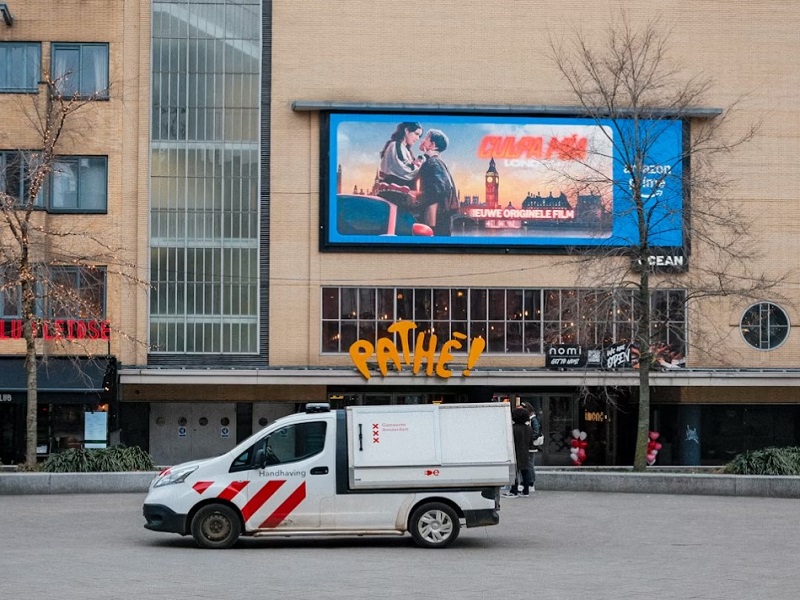
Fixed LED displays and mobile LED trucks are two very different outdoor advertising and digital display solutions. The core difference is simple:
- Fixed LED screens stay in one location
- Mobile LED trucks can move anywhere
This difference affects everything from installation and audience reach to flexibility and campaign strategy.
Quick Comparison
| Feature | Fixed LED Display | Mobile LED Truck |
|---|---|---|
| Installation Location | Mounted on buildings, malls, plazas, or outdoor structures | Installed on a truck or trailer |
| Mobility | Permanent and stationary | Fully mobile |
| Flexibility | Cannot be relocated after installation | Can change locations anytime |
| Installation Cost | Higher due to steel structure, permits, and construction | Lower because the vehicle acts as the structure |
| Audience Coverage | Reaches fixed local traffic | Reaches audiences across multiple areas |
| Content Strategy | Content can change remotely, but location stays the same | Different content can be played in different locations |
| Approval Process | Often complex outdoor advertising approvals | Usually easier under vehicle or temporary advertising regulations |
| Typical Use | Long-term branding and advertising | Events, promotions, roadshows, and temporary campaigns |
What Is a Fixed LED Display?
A fixed LED display is permanently installed on:
- Building facades
- Shopping centers
- Stadiums
- Transportation hubs
- Public squares
These displays are designed for continuous long-term operation in a single location.
Their biggest advantage is stable exposure to consistent traffic and visibility. Businesses often use them for:
- Brand awareness
- Commercial advertising
- Public information
- Long-term digital signage
However, once installed, the screen cannot easily move or adapt to changing audience locations.
What Is a Mobile LED Truck?
A mobile LED truck combines an LED display with a moving vehicle platform. The screen can travel between cities, streets, events, and commercial districts.
This creates a much more flexible advertising solution.
Instead of waiting for people to pass by the screen, the screen goes directly to the audience.
Mobile LED trucks are commonly used for:
- Product launches
- Political campaigns
- Concert promotion
- Sports events
- Temporary marketing campaigns
- Community outreach
- Emergency broadcasting
Problems Mobile LED Trucks Can Solve
1. Reaching Audience Blind Spots
Fixed LED screens only cover one specific area.
Mobile LED trucks can actively reach audiences in:
- Residential communities
- Temporary event locations
- Business districts
- Festival areas
- Streets without permanent advertising infrastructure
This allows advertisers to expand beyond traditional billboard locations.
2. Supporting Short-Term Campaigns
Not every campaign justifies installing a permanent LED screen.
For short-term activities such as:
- Grand openings
- Election campaigns
- Seasonal promotions
- Concert countdowns
- Brand activations
a mobile LED truck is much more cost-effective.
Many companies rent LED trucks daily or weekly instead of investing in permanent installations.
3. Emergency and Public Communication
Mobile LED trucks can quickly arrive at emergency locations and broadcast important information such as:
- Evacuation instructions
- Missing person alerts
- Disaster warnings
- Traffic updates
- Public safety notices
Compared with fixed infrastructure, deployment speed is significantly faster.
4. Lowering Advertising Risk
Businesses often want to test advertising performance in different districts before committing to a permanent LED installation.
A mobile LED truck allows advertisers to:
- Compare audience response across locations
- Test traffic patterns
- Measure engagement
- Optimize campaign timing
This reduces investment risk and improves campaign flexibility.
5. Bypassing Strict Advertising Restrictions
In some cities, permanent outdoor LED advertising requires lengthy approval processes involving:
- Construction permits
- Urban planning approvals
- Outdoor advertising licenses
Mobile LED trucks often face fewer restrictions because they may be classified as:
- Special-purpose vehicles
- Temporary advertising platforms
- Event support vehicles
This can simplify deployment in regulated markets.
6. Stronger Visual Attention
A moving LED display naturally attracts more attention than a static roadside screen.
Mobile LED trucks create:
- Motion-based visual impact
- Higher street-level engagement
- Increased social media exposure
- Better crowd interaction
Because the display moves through traffic and public spaces, people are more likely to notice, photograph, and share it online.
Which One Is Better?
Neither solution is universally better. The right choice depends on the campaign objective.
Fixed LED Displays Are Better For:
- Long-term advertising
- Permanent branding
- High-traffic landmark locations
- 24/7 visibility
- Stable audience exposure
Mobile LED Trucks Are Better For:
- Temporary promotions
- Event marketing
- Roadshows
- Audience targeting across multiple locations
- Flexible and fast deployment
Conclusion
Fixed LED displays focus on permanent visibility in one location, while mobile LED trucks focus on mobility, flexibility, and audience outreach.
In simple terms:
- A fixed LED screen waits for people to come to it
- A mobile LED truck takes the message directly to the people
For brands that need flexibility, rapid deployment, or multi-location exposure, mobile LED trucks offer a highly dynamic advertising solution. For long-term presence and continuous visibility, fixed LED displays remain the more stable option.


