How Custom-Shaped LED Screens Come to Life
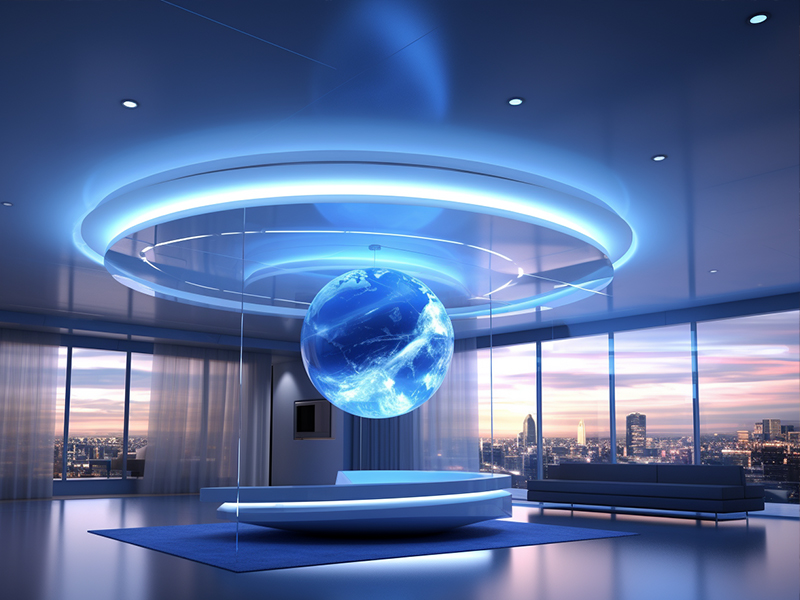
In the world of creative LED displays, standard rectangular panels rarely meet ambitious design goals. Instead, designers increasingly demand circular, curved, triangular, and other irregular shapes. To achieve this, engineers must combine precise cutting techniques with advanced structural design. The result is a seamless LED surface that looks clean, continuous, and visually striking.
From Standard Modules to Custom Shapes
LED manufacturers typically produce modules in standardized sizes. However, when a project calls for non-traditional shapes, engineers must carefully modify these modules without compromising performance. Toosen specialized kinds of creative LED Screens, and support custom.
First, teams analyze the final display geometry and map out how each module will fit into the structure. Then, they use precision CNC cutting and customized tooling to reshape modules into the required forms—whether circular arcs, triangles, or complex polygons.
At this stage, accuracy becomes critical. Even a small deviation can lead to visible gaps or misalignment. Therefore, engineers strictly control tolerances during the cutting process to ensure every piece fits perfectly.
Structural Design Ensures Seamless Results
Cutting alone does not guarantee a flawless display. Engineers must also design a support structure that aligns all modules with high precision.
They often use:
- Custom metal frames tailored to the screen shape
- Adjustable mounting systems for fine-tuning alignment
- Reinforced connectors to maintain stability over time
With these elements in place, installers can assemble the modules tightly, eliminating visible seams. As a result, the screen appears as one continuous surface rather than a collection of individual panels.
Managing Pixel Continuity and Visual Integrity
Beyond physical alignment, engineers must also maintain pixel continuity. When modules undergo cutting, the pixel layout changes. Therefore, teams carefully recalibrate signal mapping to ensure consistent image output across the entire display.
In addition, they optimize edge processing to prevent brightness differences or color inconsistencies. This step plays a key role in delivering a uniform visual experience.
Challenges and Solutions
Custom-shaped LED screens present several challenges. For example:
- Irregular edges increase the complexity of alignment
- Non-standard module sizes require custom wiring and signal routing
- Heat dissipation becomes less predictable in compact structures
To address these issues, engineers integrate thermal management solutions and modular wiring systems into the design. Consequently, the screen performs reliably while maintaining its unique shape.
Why Precision Matters
Ultimately, precision defines the success of a custom LED project. Clean cuts and tight assembly not only enhance visual quality but also improve durability and maintenance efficiency.
As demand for creative installations continues to grow, precision cutting and seamless assembly will remain essential capabilities in the LED display industry.


