How Cylindrical LED Displays Improve the Subway Passenger Experience
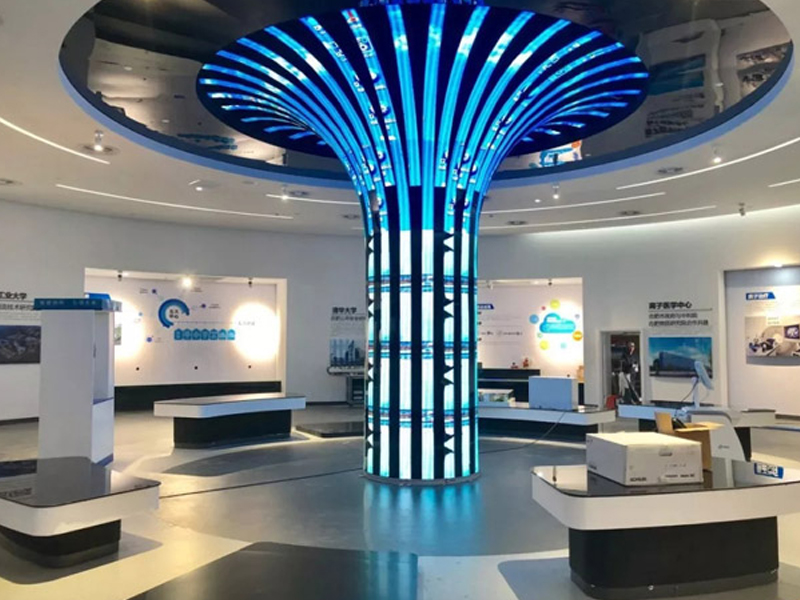
Modern subway systems no longer rely only on static lightboxes and printed signs. Today, many metro stations use cylindrical LED displays to deliver clearer guidance, immersive advertising, and stronger visual branding. Because these screens wrap around structural columns, they maximize visibility while saving valuable floor space.
As cities continue upgrading transportation infrastructure, circular and column-shaped LED displays have become a popular solution for subway stations, transfer halls, and platform areas.
Where Subway Stations Use Cylindrical LED Screens
1. Station Halls and Transfer Corridors
Many subway stations wrap LED displays around central support columns and transform ordinary structural pillars into eye-catching digital advertising displays.
Passengers approach these areas from multiple directions, so a 360-degree LED screen naturally increases exposure compared with traditional flat signage. In busy transfer corridors, this design helps brands attract attention even during short passenger flow cycles.
Common applications include:
- Commercial advertising
- Metro announcements
- Brand campaigns
- Interactive city promotions
- Event marketing
Because the content stays visible from every angle, cylindrical LED displays create much higher engagement in crowded subway environments.
2. Platforms and Waiting Areas
Platform zones often install half-cylinder or full-cylinder LED screens near stairways, escalators, or platform ends.
Passengers usually spend several minutes waiting for trains, which creates ideal conditions for information delivery and advertising exposure. Subway operators can display:
- Train arrival information
- Safety reminders
- Emergency notifications
- Route guidance
- Commercial advertisements
Unlike static posters, LED screens immediately attract attention through motion graphics and dynamic visuals. However, designers should keep animations smooth and controlled to avoid visual fatigue.
3. Circular Directional Displays Above Columns
Some transportation hubs, including stations similar to Tianjin Railway Station, install circular LED rings at the top of columns.
These ring-shaped displays continuously rotate directional information such as:
- Transfer lines
- Exit directions
- Platform guidance
- Navigation alerts
Because passengers can see the content from all sides, circular guidance systems improve navigation efficiency and reduce congestion during peak hours.
Recommended Sizes for Subway Cylindrical LED Screens
Choosing the right dimensions depends on passenger flow, viewing distance, and installation location.
Standard Column-Wrapping Displays
Most subway stations use:
- Diameter: 1.2–2.0 meters
- Height: 2.5–4 meters
These dimensions fit most structural support columns inside station halls and transfer areas.
Small Cylindrical Displays and Guidance Rings
For navigation-focused installations:
- Diameter: 0.6–1.0 meters
- Height: 0.6–1.2 meters
These compact displays work especially well for directional signage mounted above columns.
Ultra-Tall Artistic LED Columns
Large transportation hubs sometimes install dramatic vertical LED structures reaching:
- Height: 6–12 meters
These displays can visually connect station halls and platforms while creating immersive architectural experiences.
Best Pixel Pitch for Subway LED Displays
Subway passengers often view screens from close range, so image clarity matters.
Recommended Pixel Pitch
Viewing Distance: 1–5 Meters
Use:
- P2.0
- P2.5
These pixel pitches produce fine image detail and eliminate visible graininess at short distances.
Viewing Distance: 5–10 Meters
Use:
- P3
- P4
These options maintain good visibility while reducing power consumption and project cost.
Avoid Large Pixel Pitch Above P5
Large pixel pitches often look rough at close viewing distances. In premium subway environments, coarse visuals reduce the overall sense of quality and modernity.
Brightness Recommendations for Subway Environments
Lighting conditions inside subway systems vary significantly between underground and elevated stations.
Underground Subway Stations
Recommended brightness:
- 150–300 cd/㎡
This range keeps content comfortable to view without causing glare or eye strain.
Ground-Level or Elevated Stations
Recommended brightness:
- 500–800 cd/㎡
Higher brightness helps screens remain visible under sunlight and strong ambient lighting.
Automatic Brightness Adjustment
Smart light sensors improve both comfort and energy efficiency. The system automatically adjusts brightness according to environmental lighting conditions throughout the day.
How to Design Content for Subway LED Displays
Subway passengers move quickly and rarely stop for long. Therefore, effective content design becomes critical.
Use Large Text and Short Messages
Keep text concise:
- Limit one message to fewer than 8 words
- Use icons whenever possible
- Prioritize readability over decoration
Passengers should understand the message instantly while walking past the display.
Slow Down Animation Speed
Fast flashing visuals create visual fatigue in enclosed transportation spaces.
Instead:
- Use smooth motion
- Keep animation cycles around 3–5 seconds
- Avoid excessive flashing and rapid transitions
Controlled motion looks more premium and improves viewing comfort.
Best Content Types for Subway Cylindrical Screens
Successful subway LED systems usually combine three content categories in rotation.
Practical Information
Display useful passenger information such as:
- Transfer guidance
- Exit directions
- Train schedules
- Safety reminders
Utility-focused content increases passenger trust and engagement.
Commercial Advertising
Brands can showcase:
- Product videos
- Promotional campaigns
- Brand storytelling
- Retail advertisements
For cylindrical LED displays, designers should ensure seamless 360-degree content alignment to avoid visible mismatch at screen joints.
Cultural and Environmental Content
Many cities also use subway LED screens to strengthen urban identity through:
- Tourism promotion
- Local cultural artwork
- Holiday-themed visuals
- Station-specific art design
This approach helps transform transportation spaces into immersive public environments.
Best Color Choices for Subway LED Content
Subway lighting environments contain mixed artificial light sources, reflections, and shadows. Therefore, color selection directly affects readability.
Recommended Background Colors
Use darker backgrounds such as:
- Dark gray
- Deep blue
- Black
Dark backgrounds improve contrast and create a cleaner, more premium appearance.
Recommended Text Colors
Use high-contrast text colors including:
- White
- Yellow
- Light blue
Avoid excessive fluorescent tones or overly bright red backgrounds because they quickly cause eye fatigue.
Engineering and Safety Requirements for Subway LED Installations
Subway environments demand extremely high safety and reliability standards.
Structural Safety
LED modules should remain lightweight and use magnetic front-service structures whenever possible. This approach protects the original support columns and simplifies maintenance.
Additionally, subway projects should include:
- Grounding protection
- Leakage protection systems
- Fire-resistant materials
- Lightning protection
Silent Cooling and Heat Dissipation
Subway stations remain enclosed and crowded for long periods. Therefore, thermal management becomes essential.
High-quality systems use:
- Low-noise cooling fans
- Rear ventilation structures
- Efficient heat dissipation design
These solutions prevent overheating while maintaining quiet operation.
Easy Front Maintenance
Maintenance teams should replace individual LED modules without dismantling the entire screen.
Modular maintenance design reduces:
- Downtime
- Labor cost
- Station disruption
Remote Content Management
Modern subway LED systems support centralized remote control platforms.
Operators can:
- Publish content remotely
- Schedule advertisements
- Update announcements instantly
- Control multiple stations simultaneously
As a result, transportation authorities improve operational efficiency while reducing manual maintenance work.
Conclusion
Cylindrical LED displays have become an important part of modern subway infrastructure. They combine digital advertising, passenger guidance, architectural design, and smart information delivery into one integrated system.
Compared with traditional flat signage, circular LED screens provide stronger visibility, better space utilization, and more immersive visual communication. When operators choose the right size, pixel pitch, brightness, and content strategy, subway LED installations can significantly improve both passenger experience and commercial value.


