How to Choose the Right Circular LED Display
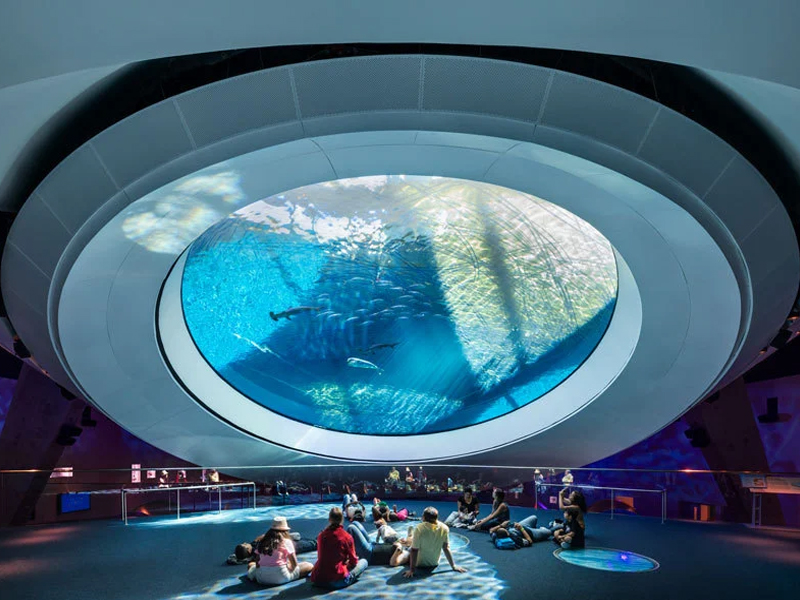
Choosing the right circular LED display requires more than comparing pixel pitch or price. You need to evaluate application scenarios, technical requirements, installation conditions, and budget. When you align these factors with Toosen’s core advantages—modular design, flexible modules, and multiple specifications—you can avoid common mistakes and select the best solution for your project.
This step-by-step guide helps you make a precise and efficient decision.
1. Define Your Core Application Scenario
Different environments demand different brightness levels, resolutions, sizes, and durability. Always define the scenario first.
Indoor Applications
Typical scenarios: retail stores, showrooms, conference rooms, hotel lobbies
For indoor environments, choose small pixel pitch models such as P1.5, P1.8, or P2. These models deliver smooth images at close viewing distances (1–3 meters).
If you use the circular screen for window displays or brand logos, prioritize high resolution and sleek design. Modular designs allow easy transport and quick installation, which works well for exhibitions and temporary displays.
Outdoor Applications
Typical scenarios: billboards, stadiums, concerts, transportation signage
For outdoor use, focus on high brightness and weather resistance. Pixel pitch can be larger, such as P2.5, P2.9, or P3.9, because viewers stand farther away.
Toosen’s outdoor 3D circular LED series (P2.9–P10) withstands rain, sunlight, and wind. For stage backgrounds, choose models with vivid colors and dynamic scaling to ensure clear visuals for large audiences.
Special Creative Applications
Typical scenarios: digital art installations, interactive exhibitions, cultural landmarks
For creative projects, use flexible LED modules or custom solutions. Toosen’s flexible modules (240×120 mm / 320×160 mm) conform to curved surfaces and enable complex circular or artistic shapes.
If you need interactivity, select models that support touch or motion sensors. Interactive screens significantly enhance audience engagement and immersion.
2. Select Key Technical Parameters
Technical specifications directly affect performance and cost. Choose wisely based on real needs.
Pixel Pitch
- 1–3 meters: P1.5–P2 (ideal for indoor retail and small exhibition spaces)
- 3–10 meters: P2–P2.5 (shopping malls, medium conference rooms)
- 10 meters and above: P2.5–P10 (outdoor billboards and large venues)
Frameless vs. Framed Design
Frameless circular LED display:
- Seamless visual effect
- Premium appearance
- Best for branding, art installations, and luxury projects
Framed circular LED display:
- Lower cost
- Stronger edge protection
- Ideal for functional applications like information display and promotions
Size and Curvature
Choose the diameter based on installation space:
- 1–3 meters: retail windows and indoor branding
- 3 meters and above: large stages and commercial landmarks
If the surface has curvature (columns or curved walls), use flexible LED modules to maintain perfect screen continuity.
Brightness and Color Performance
- Indoor brightness: 300–800 cd/m² to avoid glare
- Outdoor brightness: 1500 cd/m² or higher for sunlight visibility
- Choose wide color gamut models for accurate brand color reproduction, especially for advertising and retail.
3. Evaluate Installation and Maintenance Conditions
Circular LED displays are more complex than flat screens. Always check site conditions.
Installation Environment
For limited spaces, choose lightweight modular panels. Toosen’s modular structure reduces weight and allows installation without heavy lifting equipment.
For hanging installations (shopping mall atriums, stages), confirm吊装 accessories and structural stability.
Assembly Frequency
For temporary events, choose quick-assembly modular models. Toosen modules allow fast assembly without professional tools.
For permanent installations, use framed structures or customized brackets for long-term stability.
Maintenance Convenience
Modular LED design allows single-module replacement, which reduces downtime and maintenance costs. Choose brands with standardized modules to simplify future upgrades.
4. Balance Budget and Advanced Requirements
Basic Needs
For simple information display and promotions:
- Framed circular LED
- Medium pixel pitch (P2.5)
- Best cost-performance ratio
Advanced Branding Needs
For premium brand image and exhibitions:
- Frameless design
- Small pixel pitch (P1.8–P2)
- Wide color gamut and dynamic scaling
Special Creative Needs
For interactive or custom-shaped displays:
- Confirm support for interactive modules and custom programming
- Toosen provides full customization, including ring-shaped, spherical, and hybrid structures with touch or motion sensing
Why Choose Toosen Circular LED Displays
Toosen offers fully modular, customizable circular LED display solutions with flexible modules, multiple pixel pitch options, and custom diameters. The company supports OEM/ODM services, interactive functions, and creative shapes to meet commercial, artistic, and architectural demands.
With Toosen, you get a scalable solution that fits your current needs and future expansion plans.
FAQ
1. What is the best pixel pitch for a circular LED display?
Choose based on viewing distance. P1.5–P2 works best for close indoor viewing, while P2.5–P10 suits outdoor and long-distance viewing.
2. Can circular LED displays be customized in size and shape?
Yes. Toosen supports custom diameters, curved surfaces, ring shapes, and flexible modules for creative installations.
3. Are circular LED displays easy to maintain?
Yes. Modular design allows quick replacement of individual panels, which reduces downtime and maintenance costs.


