How to Choose the Right LED Dance Floor for Bars, Clubs, and Events
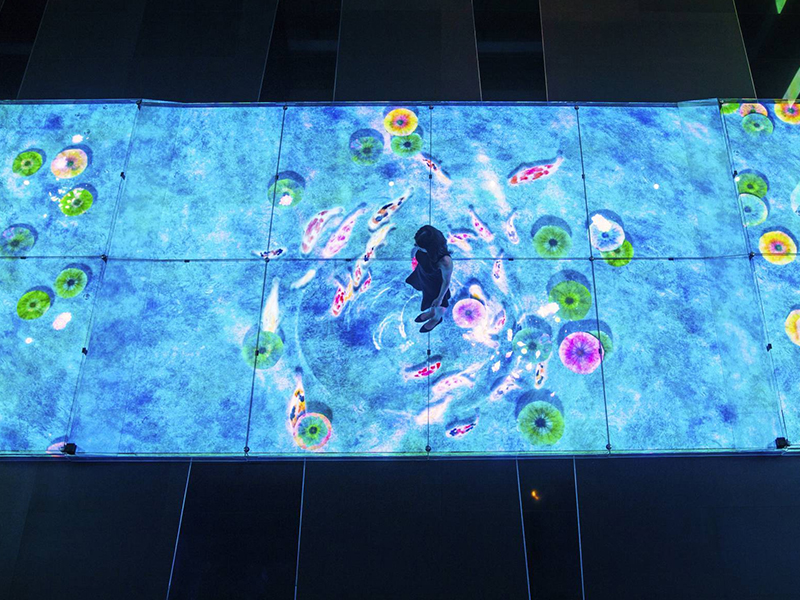
Choosing the right LED dance floor requires more than comparing prices. You need to evaluate technical specifications carefully to ensure strong performance, long-term durability, and an immersive visual experience. From tile construction to waterproof protection, every detail affects reliability and user satisfaction.
A high-quality LED dance floor not only enhances entertainment value but also improves venue branding, customer engagement, and overall profitability.
Key Technical Specifications of LED Dance Floors
Tile Size and Material
LED dance floors use modular floor panels, with common sizes ranging from 0.5m × 0.5m to 1m × 1m. Manufacturers typically build these panels with high-strength acrylic or tempered glass surfaces supported by reinforced metal or composite frames.
Larger tiles reduce visible seams and simplify installation. On the other hand, smaller tiles offer greater flexibility for custom floor layouts and creative designs. Therefore, venue owners should choose tile sizes based on installation area, design requirements, and budget.
Durable surface materials also play a critical role. Tempered glass improves impact resistance, while scratch-resistant coatings help maintain long-term visual quality in high-traffic environments.
LED Type and Pixel Density
The type and density of LEDs directly influence brightness, color accuracy, and visual smoothness.
Most premium LED dance floors use high-quality SMD (Surface Mounted Device) LEDs because they deliver vibrant colors, excellent reliability, and wide viewing angles. In addition, SMD technology supports smoother color transitions and more dynamic visual effects.
Pixel density usually ranges from 64 to 256 LEDs per square meter. Higher density produces:
- Sharper image quality
- Finer animation details
- Smoother gradients
- Better close-range viewing performance
However, higher-density configurations also increase system costs. As a result, operators should balance visual expectations with budget considerations.
Control System and Software
The control system functions as the brain of the LED dance floor. It manages animations, color effects, user interaction, and synchronization with external devices.
Advanced systems support DMX (Digital Multiplex) protocols, which allows seamless integration with:
- Lighting consoles
- Stage lighting systems
- Audio synchronization systems
- DJ equipment
- Multimedia servers
Meanwhile, user-friendly software interfaces make it easy to customize effects, upload graphics, and control visuals in real time.
A powerful and intuitive control system significantly improves operational efficiency, especially during live events and nightclub performances.
Load Capacity and Weight Distribution
LED dance floors must withstand substantial pressure, especially in crowded bars, clubs, concerts, and event venues.
Most commercial LED floor panels support between 500kg and 1000kg or more per panel. Nevertheless, proper load distribution remains equally important.
To prevent structural stress or LED damage:
- Ensure the subfloor remains level and stable
- Use reinforced support structures
- Avoid concentrated heavy loads in one area
- Install vibration-damping materials when necessary
Strong structural engineering extends the lifespan of the system and improves operational safety.
Power Consumption and Energy Efficiency
LED dance floors can consume considerable power, particularly when running high-brightness dynamic effects.
For this reason, many modern systems now include:
- Energy-efficient LED chips
- Intelligent power management
- Low-power driving ICs
- Automatic brightness adjustment
Manufacturers typically rate power consumption by wattage per panel. Therefore, operators should calculate total system power requirements according to the number of installed panels.
Energy-efficient systems help venues reduce operating costs while minimizing environmental impact.
Waterproof Protection and Durability
Water resistance becomes especially important in bars, nightclubs, and outdoor events where liquid exposure is common.
Manufacturers use IP (Ingress Protection) ratings to classify waterproof and dustproof performance.
Recommended IP Ratings
| Environment | Recommended IP Rating | Protection Level |
|---|---|---|
| Indoor Dry Areas | IP20 | Basic dust protection |
| Bars & Clubs | IP54–IP65 | Splash and moisture resistance |
| Outdoor Events | IP65 or above | Water jet protection |
Additionally, reinforced frames and scratch-resistant surfaces improve long-term durability and reduce maintenance requirements.
Core Advantages of LED Dance Floors
Investing in a professional LED dance floor offers several commercial and experiential benefits.
Instantly Enhances Event Atmosphere
An LED dance floor immediately becomes the visual centerpiece of any venue. Dynamic colors, animated graphics, and synchronized lighting effects create an immersive entertainment environment that leaves a lasting impression on guests.
Whether used for weddings, private parties, concerts, or nightclub events, the floor dramatically increases visual energy.
Improves Audience Interaction
Modern LED dance floors often include interactive technologies such as:
- Motion tracking
- Pressure sensing
- Touch response
- Sound-reactive lighting
As a result, guests actively engage with the environment instead of simply observing it.
For example, the floor may generate ripple effects beneath dancers’ feet or change colors according to music rhythm. These interactive experiences make events feel more immersive and memorable.
Fully Customizable Visual Effects
LED dance floors offer extensive creative flexibility. Operators can customize:
- Colors
- Animations
- Brand logos
- Event themes
- Interactive graphics
This flexibility allows venues to adapt visuals for holidays, brand activations, corporate events, or themed nightclub parties.
Consequently, the dance floor always feels fresh and visually engaging.
Increases Venue Appeal and Profitability
For nightclubs, bars, lounges, and event venues, an LED dance floor can significantly increase commercial value.
A visually striking dance floor helps venues:
- Attract more customers
- Increase social media exposure
- Extend guest stay time
- Justify higher rental or entry fees
- Differentiate from competitors
In many cases, the LED floor itself becomes a signature attraction.
Easy Installation and Maintenance
Modern LED dance floors use modular structures that simplify transportation, installation, and servicing.
Technicians can quickly assemble panels much like oversized building blocks. In addition, hot-swappable modules allow rapid replacement of damaged panels without shutting down the entire system.
Routine maintenance usually includes:
- Surface cleaning
- Connector inspection
- Cable testing
- Software updates
High-quality components and robust structural design further reduce failure risks and long-term maintenance costs.
Frequently Asked Questions About LED Dance Floors
What Type of Flooring Is Required Beneath an LED Dance Floor?
The installation surface must remain flat, level, and structurally stable. Concrete, hardwood flooring, or properly installed carpet can all work effectively if they provide adequate support without major unevenness.
Uneven surfaces may place stress on the LED panels and lead to premature failure.
How Long Do LED Dance Floors Last?
High-quality SMD LEDs typically offer a lifespan between 50,000 and 100,000 operating hours under normal conditions.
However, actual lifespan also depends on:
- Operating temperature
- Power supply quality
- Ventilation
- Usage intensity
- Maintenance quality
Proper cooling and stable electrical systems greatly improve longevity.
Can LED Dance Floors Be Used Outdoors?
Some LED dance floors support outdoor installation and include high waterproof ratings such as IP65 or above.
Nevertheless, operators should always verify manufacturer specifications before outdoor deployment because not all systems withstand:
- Rain exposure
- Direct sunlight
- Humidity
- Extreme temperatures
Outdoor-rated models usually include stronger sealing protection and reinforced structural components.
What Are the Main Safety Considerations?
Safety remains critical in any public entertainment environment.
To reduce risks, venues should ensure:
- Anti-slip floor surfaces
- Proper electrical grounding
- Insulated wiring
- Regular structural inspections
- Immediate replacement of damaged panels
Additionally, safety barriers or edge protection systems can help prevent accidental falls around elevated dance floor installations.


