How Transparent LED Screens Solve the Visibility Problem
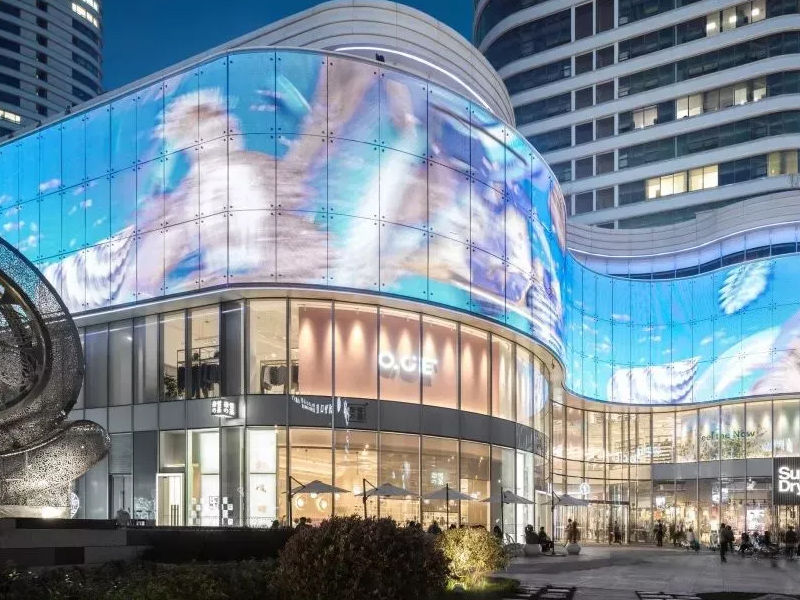
Traditional advertising screens often create a common problem in commercial spaces: they block natural light, obstruct views, and disrupt architectural design. Shopping malls, glass facades, and storefront windows especially suffer from this issue when large LED billboards cover transparent surfaces.
Transparent display technology changes this situation completely. By combining high-transparency structures, self-emissive pixels, transparent circuits, lightweight installation, and optimized content, transparent screens allow digital content to coexist with real-world environments.
Instead of dominating the space, the display becomes part of it.
Below is a closer look at how transparent display technology solves the traditional “visual obstruction” problem.
1. Core Technology: From “Blocking” to “Transparency”
The biggest innovation of transparent displays lies in their structural and optical design. Engineers redesign the display from the ground up to maximize light transmission while minimizing visual obstruction.
Structural Design and Materials
Manufacturers improve transparency mainly by adjusting the pixel structure and panel materials.
LED Grid / Light Bar Screens (Most Common)
These displays use a louver or grille structure. LED light bars are arranged sparsely, leaving large gaps between pixels. As a result, ambient light passes directly through the display.
- Transparency: 70%–90%
- When the screen is off, it looks almost like glass
- Ideal for glass curtain walls and storefront windows
Transparent OLED Displays
OLED technology uses self-emissive pixels and transparent substrates. Because the screen does not require a backlight or thick backing panel, the display remains partially transparent.
- Transparency: 45%–60%
- Pixels illuminate individually
- Content appears to float in the air
Micro-LED Transparent Displays
Micro-LED panels integrate micron-scale chips onto transparent glass or flexible substrates. The tiny chip size reduces the light-blocking area significantly.
- Transparency: 60%–70%
- Higher brightness than OLED
- Wider viewing angles
Film-Based Transparent Screens
Film LED displays use ultra-thin transparent substrates (1–3 mm) with sparse LED beads and mesh circuits. Installers simply apply them directly onto glass surfaces.
This approach allows the screen to behave almost like a digital film layer on glass.
Transparent Circuits and Optical Design
Transparency does not only depend on pixel spacing. Engineers must also redesign the internal circuitry.
Modern transparent screens use several innovations:
- Transparent conductive materials such as ITO (Indium Tin Oxide) and nano-silver wires instead of traditional metal traces
- Ultra-thin embedded circuits hidden inside transparent substrates
- Micro-grid or honeycomb optical structures that reduce shading while maintaining structural stability
These techniques significantly reduce visible wiring and keep the display visually clean.
Display Principle: Showing Content Without Blocking the Background
Another important factor is selective illumination.
Transparent displays illuminate only the active pixels. Dark areas remain unlit and therefore visually transparent.
For example:
- OLED and Micro-LED pixels emit light individually
- LED transparent displays simply keep black pixels turned off
As a result, viewers see digital content floating over the background instead of a solid screen.
Modern transparent displays also support:
- Wide viewing angles above 170°
- High brightness levels above 1000 nits
These features ensure that content remains visible even in bright environments while maintaining background visibility.
2. Installation Design: Maintaining Open and Bright Spaces
Beyond display technology, installation design also plays a key role in preserving transparency.
Transparent LED displays usually feature lightweight structures and minimal mounting systems, which prevents visual clutter.
Typical advantages include:
- Weight often below 5 kg per square meter
- Magnetic, adhesive, hanging, or embedded installation options
- No need for heavy steel frames
- No obstruction of glass walls or natural light
In addition, many transparent screens adopt frameless or ultra-narrow bezel designs. This approach allows the display to blend seamlessly with architectural surfaces.
Flexible versions can even adapt to:
- Curved glass facades
- Cylindrical structures
- Irregular architectural shapes
These capabilities help designers maintain the original openness of the space.
3. Content Strategy: Advertising That Blends Into the Environment
Transparent screens also rely on content design strategies to maintain visual openness.
Instead of filling the entire display area with solid graphics, designers usually optimize content specifically for transparent screens.
Black or Transparent Background Content
Advertising materials often use black backgrounds, allowing only the main visual elements to illuminate. Because black pixels remain off, the background stays transparent.
This technique preserves the ability to see through the screen while still displaying clear messaging.
Smart Brightness and Time-Based Playback
Operators can also adjust display behavior based on the time of day.
For example:
- Daytime: lower brightness to maintain natural lighting and visibility
- Night or peak traffic hours: increase brightness to emphasize advertising content
This flexible control ensures the screen serves both architectural aesthetics and marketing goals.
Mixed Reality Visual Effects
Transparent displays create a unique “virtual + real” visual experience. Content appears to float over real-world objects such as products, buildings, or landscapes.
In retail environments, customers can see both the advertisement and the merchandise behind the glass at the same time.
4. Transparent Screens vs Traditional LED Advertising Displays
| Feature | Traditional LED Advertising Screen | Transparent LED / OLED Screen |
|---|---|---|
| Transparency | 0%–5% (completely opaque) | 70%–90% (LED) / 45%–60% (OLED) |
| Structure | Solid panel, dense LEDs, thick frame | Hollow grid or transparent substrate |
| Impact on View | Completely blocks background and light | Background remains visible |
| Integration with Architecture | Often visually intrusive | Blends into glass or building facade |
| Typical Applications | Outdoor billboards, standalone displays | Storefront windows, glass curtain walls, railings, showrooms |
5. Final Thoughts
Transparent display technology transforms how digital screens interact with architectural space. By combining high-transparency physical structures, selective pixel illumination, transparent circuits, lightweight installation, and optimized content, these displays achieve something traditional LED screens cannot:
They display advertising without blocking the view.
Instead of replacing the environment, transparent screens enhance it. This is why they are becoming increasingly popular in retail windows, building facades, exhibitions, and high-end commercial spaces, where both visual impact and spatial openness matter.


