Immersive vs Traditional LED Displays: What Buyers Must Know
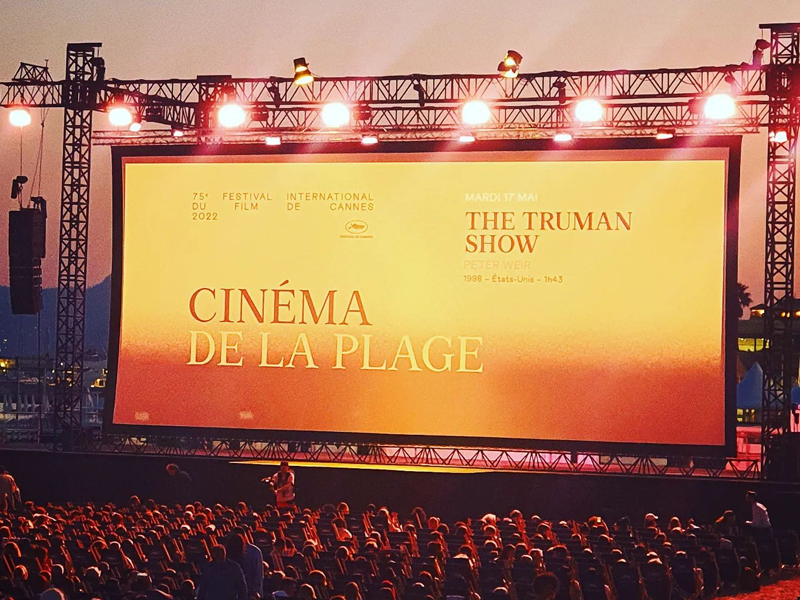
If you're planning an LED display project, one of the first strategic decisions you’ll face is this:
Should you go with a traditional LED screen—or invest in an immersive LED environment?
At a glance, both use similar core technology. However, in practice, they serve very different purposes, require different system architectures, and deliver completely different ROI profiles.
This guide breaks down the differences in a way that helps you make a technically sound and commercially viable decision.
1. Core Definition: Display vs Environment
Traditional LED Displays
A traditional LED display is a flat, rectangular screen designed to present content clearly to an audience positioned in front of it.
Typical use cases:
- Advertising billboards
- Stage backdrops
- Conference screens
- Retail signage
The goal: Deliver information efficiently
Immersive LED Displays
Immersive LED systems extend beyond a single surface. They integrate multiple planes to create a spatial environment.
Typical configurations:
- Wraparound walls
- LED ceilings (canopy screens)
- LED floors
- Curved or dome structures
The goal: Create an experience, not just show content
2. Structural Differences: Flat vs Multi-Dimensional
| Aspect | Traditional LED | Immersive LED |
|---|---|---|
| Geometry | Flat | Curved / enclosed / multi-surface |
| Viewing angle | Frontal | 180°–360° coverage |
| Installation complexity | Low–moderate | High |
| Engineering requirements | Standard | Customized |
Key Insight:
Immersive systems require early-stage integration with architecture, while traditional screens can often be installed later as standalone equipment.
3. Content Logic: Video vs Spatial Storytelling
This is where many buyers underestimate the gap.
Traditional LED Content
- Standard video formats (16:9, 4K, etc.)
- Plug-and-play playback
- Minimal adaptation required
Immersive LED Content
- Custom-rendered visuals
- Multi-surface synchronization
- Perspective correction (warping & mapping)
You are no longer producing “videos”—you are designing environments.
Practical Impact:
Content production for immersive LED can cost significantly more and requires specialized teams.
4. Hardware and Control Systems
Traditional Setup
- LED panels
- Sending box / processor
- Standard media server (optional)
Immersive Setup
- LED panels (often custom-shaped)
- Advanced video processors
- Media servers (e.g., real-time rendering systems)
- Synchronization systems
Why it matters:
Immersive installations rely heavily on system integration. A weak control system will break the illusion, even if the panels are high quality.
5. Visual Performance Metrics That Actually Matter
Many buyers focus only on specs like brightness and resolution. That’s not enough—especially for immersive setups.
For Traditional LED:
Prioritize:
- Brightness (nits)
- Pixel pitch
- Viewing distance
- Cost efficiency
For Immersive LED:
You must evaluate:
- Field of View (FOV) coverage
- Seamlessness (panel alignment, curvature accuracy)
- Refresh rate (≥3840Hz for camera environments)
- Color uniformity across surfaces
- Latency & synchronization
In immersive environments, inconsistency across surfaces immediately breaks realism.
6. User Experience: Passive vs Engaged
Traditional LED
- Audience stands or sits in front
- Interaction is minimal
- Experience is linear
Immersive LED
- Audience is surrounded
- Movement changes perception
- Experience feels dynamic and interactive
This is the critical shift:
Traditional = Viewing
Immersive = Experiencing
7. Cost Structure: CapEx vs Experience Investment
Traditional LED Costs
- Hardware-driven
- Predictable installation
- Lower content cost
Immersive LED Costs
- Higher hardware complexity
- Custom engineering
- Significant content production budget
But here’s the nuance:
Immersive LED is not just CapEx—it’s an experience investment.
8. ROI: Visibility vs Engagement
Traditional LED ROI
- Impressions
- Visibility
- Information delivery
Works best for:
- Advertising
- Corporate communication
- Events with large audiences
Immersive LED ROI
- Dwell time
- Social sharing
- Brand memorability
Works best for:
- Flagship retail stores
- Exhibitions and museums
- Entertainment venues
- Brand activations
Immersive spaces often generate organic marketing through user-generated content.
9. When Should You Choose Each?
Choose Traditional LED if:
- You need cost-efficient communication
- Your content is standard video
- Installation time is limited
- The audience is fixed in front
Choose Immersive LED if:
- You want a “wow factor”
- Your goal is brand experience
- You can invest in custom content
- The space allows architectural integration
10. Common Buyer Mistakes
Avoid these pitfalls:
1. Treating immersive LED like a bigger screen
It’s not. It’s a system + content ecosystem.
2. Underestimating content costs
Content often determines success more than hardware.
3. Ignoring system integration
Poor synchronization ruins immersion instantly.
4. Over-focusing on specs
A “3840Hz” label means little without proper scan design and processing.
Conclusion
Traditional and immersive LED displays serve different strategic roles:
- Traditional LED = efficient communication tool
- Immersive LED = high-impact experience platform
If your goal is clarity and reach, go traditional.
If your goal is engagement and memorability, immersive LED delivers far greater impact.
The right choice depends not just on budget—but on what you want your audience to feel, remember, and share.


