Indoor LED Displays: Should You Choose Cabinets or Modules?
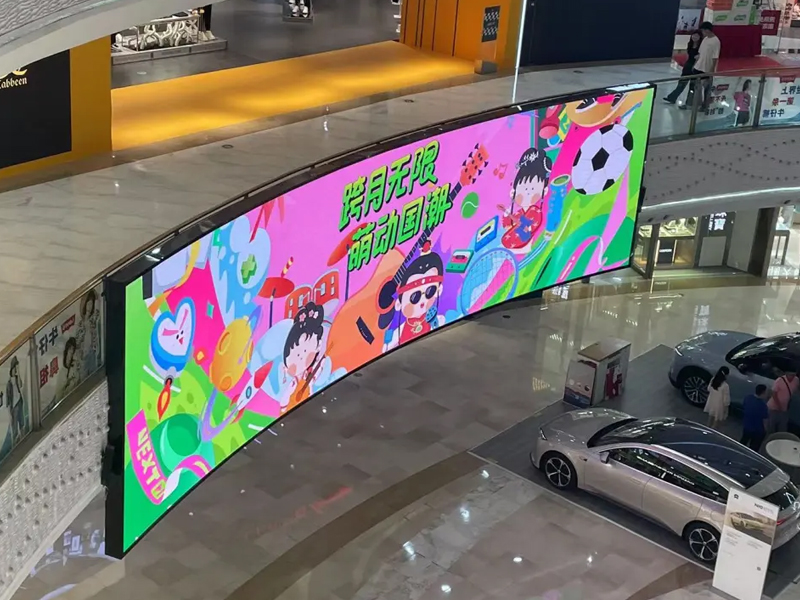
If you're planning an indoor LED screen, the decision is simpler than it seems. In about 90% of cases, you should choose a finished cabinet (panel system) instead of assembling modules yourself. Only one specific scenario justifies buying standalone modules.
1. For Most Indoor Projects: Choose Cabinet-Based LED Screens
Best for:
Conference rooms, exhibition halls, shopping malls, reception areas, control rooms, auditoriums, and standard indoor video walls.
Why cabinets are the default choice
- Factory-calibrated flatness
Manufacturers pre-align each cabinet, so you get tight seams and a clean, seamless look. - Plug-and-play integration
Cabinets come with built-in power supplies, receiving cards, and internal wiring. You can install and power them quickly. - Strong structural integrity
The enclosed design keeps the screen stable and resistant to deformation over time. - Easy maintenance
If something fails, technicians can replace a full cabinet or a single module within it. - Standardized sizes
Common formats like 500×500 mm or 640×640 mm ensure clean, predictable assembly.
Bottom line
If you want a reliable, professional, and low-risk solution, cabinets are the way to go.
2. The Only Exception: When to Use LED Modules Directly
You should consider standalone modules only in these specific scenarios:
Suitable use cases
- Ultra-small displays
For example, screens only a few tens of centimeters wide. - Creative or irregular designs
Curved walls, cylindrical columns, circular displays, or custom-shaped installations. - DIY or custom engineering projects
When you plan to design your own structure, power system, and control setup. - Repair and replacement
When one section of an existing screen fails and you need a matching module.
Trade-offs you must accept
- More complex setup
You need to configure power supplies, control cards, and cabling yourself. - Flatness depends on installation skill
Without a cabinet frame, uneven surfaces can easily occur. - Limited protection and aesthetics
Modules lack enclosure, so they offer less dust protection and look less refined.
Bottom line
Choose modules only when you need flexibility or customization that cabinets cannot provide.
3. Quick Decision Rule
- Want something professional, clean, and hassle-free → Go with cabinets
- Need custom shapes, very small sizes, or DIY control → Use modules
4. Common Industry Configurations
You can use these as practical guidelines in your projects:
- Fine-pitch indoor displays (P1.25 / P1.5 / P1.8 / P2)
→ Standard die-cast aluminum cabinets - Fixed indoor video walls
→ Cabinet-based assembly - Curved, circular, or column screens
→ Flexible modules or rigid modules with custom structures - Maintenance and repairs
→ Replace with matching modules
Conclusion
In practice, cabinet systems dominate indoor LED projects because they deliver consistency, durability, and ease of use. Modules, on the other hand, serve as a specialized tool for custom designs and niche applications.
If you prioritize efficiency and professional results, start with cabinets. Only switch to modules when your project demands flexibility that standard systems cannot offer.


