Interactive LED Floor Tile Solution for Piano Staircases
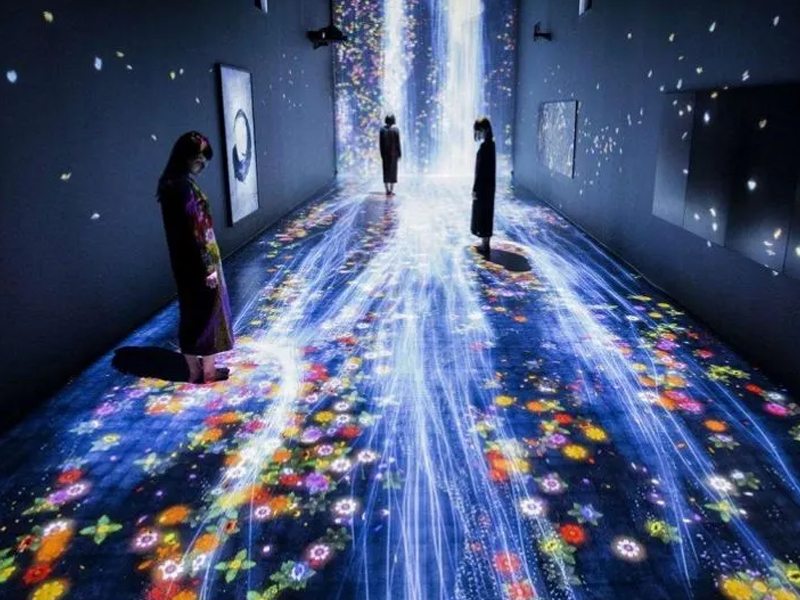
Turning a staircase into a “piano keyboard” with interactive LED floor tiles is not only technically feasible—it’s already a proven concept in commercial spaces, retail environments, and social media–driven installations. With the right system design, you can transform an ordinary staircase into an immersive, high-traffic attraction that blends visual impact with user interaction.
Core Technology Advantages
Toosen’s interactive LED floor tiles support loads of up to 1 ton per square meter, which ensures structural safety even in crowded environments. You can deploy the system with external sensors, such as radar units, or integrate built-in sensing chips directly into the modules.
For example, a single radar sensor typically covers a 6-meter radius, which translates to roughly 30 square meters per unit. As a result, you can scale the system efficiently without excessive hardware.
At the same time, the system continuously calibrates the surface. It detects real human interaction—such as footsteps or touch—and filters out false triggers caused by dust or minor debris. This approach ensures accurate tracking, responsive visuals, and a seamless user experience.
Practical Implementation Strategy
1. Screen Size Adaptation
Staircases present unique dimensional constraints. The tread (horizontal step surface) and riser (vertical face) are usually narrow, so standard modules like 500×500 mm panels often do not fit well.
To solve this, you can:
- Use custom strip-shaped modules tailored to step dimensions
- Choose small-pitch or flexible LED modules for better adaptability
- Optimize cost by installing LED tiles only on the tread, while using standard synchronous LED panels on the riser
This hybrid approach balances visual performance and budget control.
2. Wear Resistance and Anti-Slip Safety
Unlike flat floors, staircases increase the risk of slipping—especially in high-traffic areas. Therefore, safety must remain a top priority.
Toosen enhances its LED floor tiles with:
- Anti-slip surface coatings
- Scratch-resistant protective masks
- High-load structural design
These features not only improve durability but also ensure safe interaction under continuous foot traffic.
3. Low-Latency Interactive Control
To create a convincing “piano effect,” the system must respond instantly to user input.
By using a high-performance synchronous controller, you can:
- Minimize latency between sensor input and visual output
- Synchronize lighting effects and audio playback
- Deliver real-time feedback that feels natural and engaging
As a result, users experience smooth, responsive interaction that mimics real instrument behavior.
Creative Applications and Experience Design
Dual-Mode Interaction
In addition to the classic piano mode, you can introduce multiple interactive themes, such as:
- Flowing sand effects
- Shattering ice visuals
- Blooming flower animations
This variety keeps the installation fresh and encourages repeat engagement.
Guided Learning Interaction
You can also design educational gameplay. For instance:
- Display dynamic light cues on specific steps
- Guide users to step in sequence
- Allow them to “play” a complete melody through movement
This approach combines entertainment with interactive learning, making the installation more meaningful.
Brand Integration
If you deploy the system in a brand showroom or retail space, you can seamlessly embed branding elements into the experience.
For example:
- Trigger logo animations alongside musical notes
- Highlight product keywords during interaction
- Synchronize brand visuals with user-generated actions
This strategy strengthens brand recall while maintaining a fun and immersive atmosphere.
Conclusion
Interactive LED piano staircases combine structural engineering, sensing technology, and creative content design into a single solution. By optimizing module size, ensuring safety, and delivering real-time interaction, you can turn a functional staircase into a memorable digital experience.
If you design it well, people won’t just walk up the stairs—they’ll stop, play, share, and come back again.


