Key Considerations for Custom-Shaped LED Displays
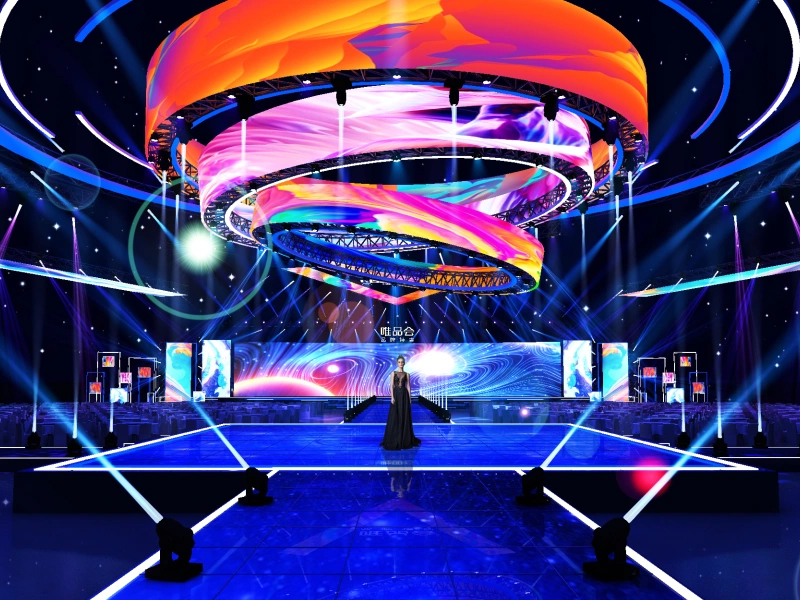
Custom-shaped LED displays can transform ordinary spaces into unforgettable visual experiences. Whether you are building a spherical screen, Christmas tree display, curved wall, cube, or another creative installation, careful planning is essential. Unlike standard rectangular LED screens, irregular displays require specialized engineering, customized content, and long-term maintenance planning.
To ensure your project succeeds, pay close attention to the following four areas.
1. Structural Design and Custom Manufacturing
Every custom-shaped LED display is unique. As a result, manufacturers typically design the hardware specifically for each project instead of using standardized cabinets.
Expect Higher Customization Costs
Most irregular displays require specially designed PCBs, cabinet structures, or LED modules. This customization increases engineering complexity, extends production lead times, and raises overall project costs compared with conventional LED screens.
Design the Supporting Structure Carefully
Large installations such as spherical displays, tree-shaped screens, or suspended sculptures rely on sophisticated internal steel frameworks. Engineers should calculate structural loads, wind resistance for outdoor projects, and seismic performance before fabrication begins.
Plan for Heat Dissipation
Creative designs often leave limited internal space for airflow. Enclosed structures, including cubes and spherical LED displays, can trap heat and shorten component lifespan. To prevent overheating, designers should incorporate ventilation channels or active cooling systems into the project from the beginning.
2. Content Creation and Control Systems
One of the biggest challenges with custom-shaped LED displays is content playback. Videos designed for conventional 16:9 or 4:3 screens rarely fit irregular pixel layouts.
Produce Shape-Specific Visual Content
Instead of stretching standard videos across an unusual display, create animations based on the screen’s actual geometry and pixel arrangement. Professional designers often use 3D models of the display to develop content that perfectly matches its shape and delivers a seamless visual experience.
Use Professional Pixel Mapping
Custom LED installations require advanced control systems capable of pixel remapping. These systems assign the correct image data to every LED, ensuring animations display accurately across irregular surfaces without distortion.
Verify the Physical Resolution
Irregular displays frequently use unconventional resolutions and non-standard pixel layouts. Before producing content, request detailed pixel maps and resolution documentation from the manufacturer so your creative team can build assets with precision.
3. Manufacturing Quality and Display Performance
Even the most innovative design can lose its impact if the manufacturing quality falls short.
Minimize Visible Seams
Curved surfaces and angled joints demand precise module fabrication. Poor tolerances may create dark gaps between panels or bright pressure lines caused by excessive compression. High-precision manufacturing helps maintain a smooth, continuous appearance.
Prioritize Wide Viewing Angles
Creative LED installations often attract viewers from multiple directions. Selecting high-quality LEDs with excellent viewing-angle performance helps maintain consistent brightness and color reproduction, reducing the risk of images appearing dim or color-shifted from the side.
Match Pixel Pitch to Viewing Distance
Many custom displays operate in shopping malls, museums, exhibition halls, and interactive environments where audiences stand close to the screen. Choosing an appropriately fine pixel pitch helps reduce visible pixelation and improves image clarity during close-range viewing.
4. Maintenance Planning and Spare Parts
Long-term serviceability deserves just as much attention as the initial installation.
Stock Replacement Modules in Advance
Unlike standard LED panels, irregular displays may contain dozens of uniquely shaped modules. If one fails and no replacement exists, reproducing a custom part can require significant time and expense. For that reason, purchase spare modules for every custom shape used in the project.
Decide on the Maintenance Method Early
Maintenance access should influence the design from the beginning.
- Front maintenance: Ideal for wall-mounted curved displays or installations with limited rear access. Magnetic front-service modules allow technicians to remove components from the display face.
- Rear maintenance: Suitable for sculptures or freestanding installations where technicians can easily access the back of the structure.
Choosing the appropriate service method during the planning stage simplifies future repairs and minimizes downtime.
Conclusion
Custom-shaped LED displays deliver remarkable visual impact, but they also introduce unique technical challenges. By focusing on structural engineering, customized content production, manufacturing quality, and maintenance planning, you can reduce project risks and maximize long-term performance. With thoughtful preparation, an irregular LED screen becomes more than a display—it becomes a signature architectural feature and a powerful visual storytelling platform.


