Mechanical Rotating LED Display Load Testing: How to Verify Stability During Continuous Operation
1. Why Continuous Load Testing Matters
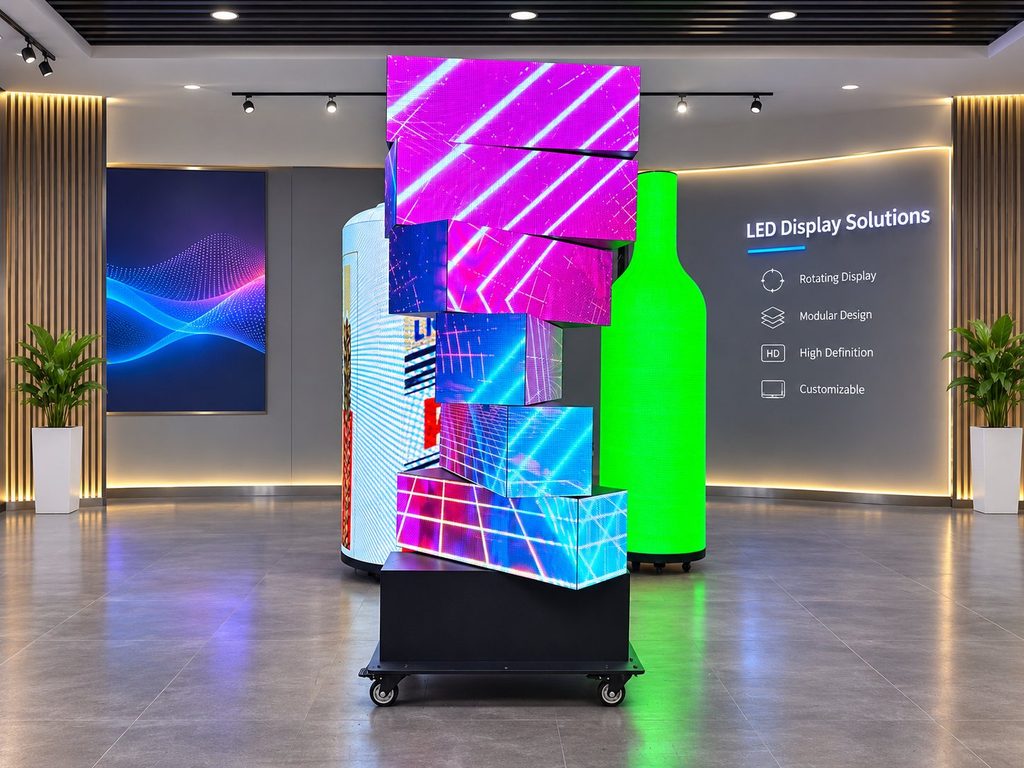
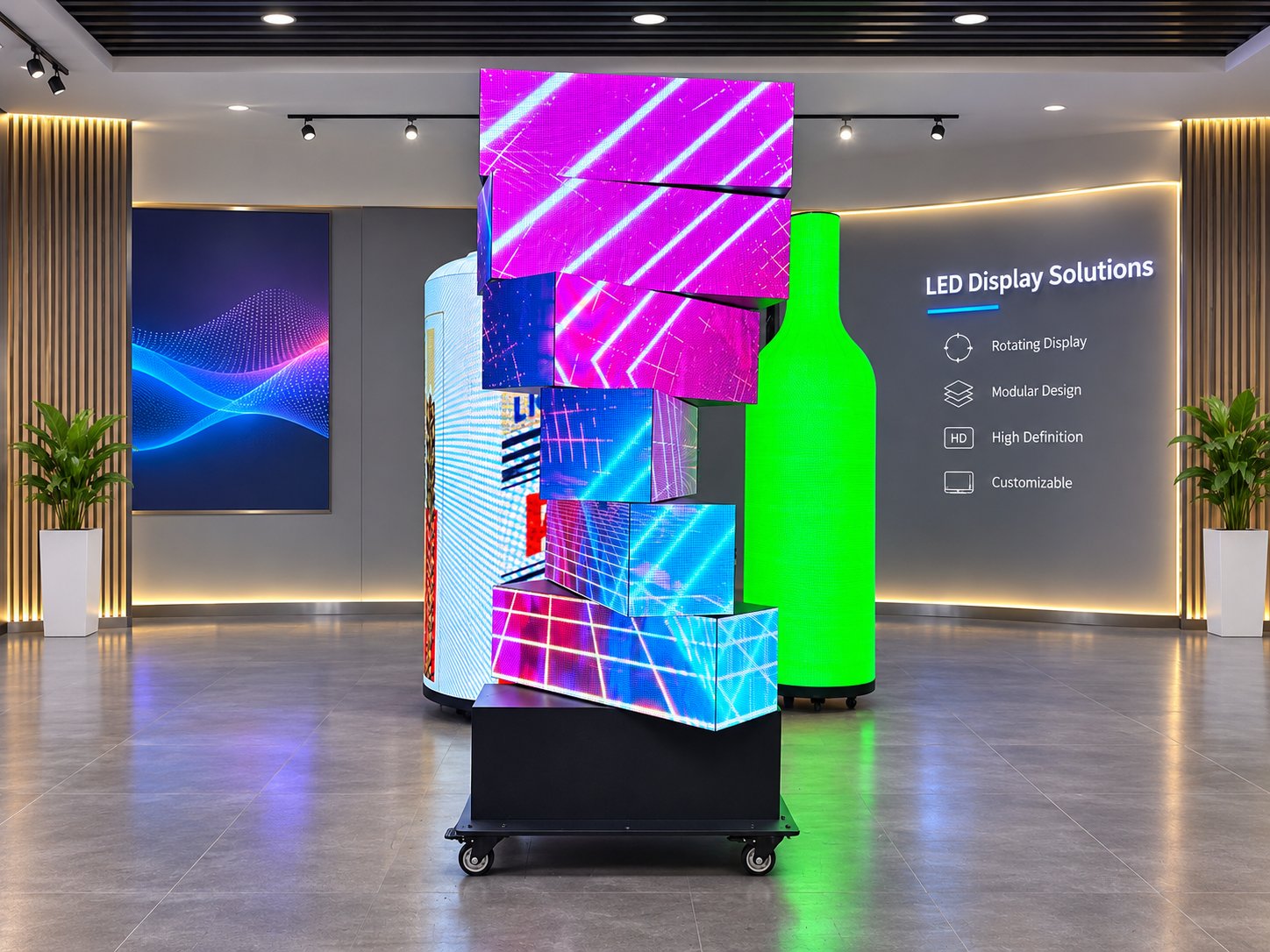
A mechanical rotating LED display may work smoothly during a short demonstration but develop problems after several hours of operation. Motor temperature may gradually increase, the transmission system may become unstable, or vibration may become more noticeable as the equipment continues moving.
These problems are important for installations in shopping malls, exhibitions, entertainment venues, and commercial spaces where the display may operate for long periods every day.
A short startup test cannot show how the complete system performs under continuous working conditions. Continuous load testing helps manufacturers identify potential problems before shipment and gives buyers a clearer understanding of equipment reliability.
2. What Can Happen During Long-Term Operation?
Continuous movement places repeated stress on mechanical and electrical components.
Several problems may appear over time:
- Motor overheating: The motor temperature may continue rising when it operates under a heavy load.
- Increased vibration: Unbalanced structures or loose connections can cause noticeable movement.
- Transmission wear: Belts, bearings, and connecting parts may experience repeated friction.
- Speed instability: The rotation speed may change because of load variation or motor control problems.
- Cable fatigue: Moving cables may experience repeated bending during operation.
Even when the display continues producing images, these mechanical problems can affect operating stability and increase maintenance requirements.
3. Main Factors That Affect Operating Stability
Before starting a load test, engineers should understand which factors influence the system.
Total Moving Weight
The load includes LED modules, supporting frames, motors, cables, and other attached components. The motor must operate within its rated capacity.
Uneven weight distribution can also create additional mechanical stress. A display that is not properly balanced may require more torque during rotation.
Motor and Transmission Performance
The motor and transmission system determine how smoothly the display moves. Belt tension, bearing condition, mounting accuracy, and motor settings can all affect performance.
TOOSLED's mechanical rotating LED display solutions use closed-loop DC stepper motors and synchronous belt transmission to support controlled movement.
Operating Frequency
A display that rotates occasionally has different operating requirements from one that moves repeatedly throughout the day.
Engineers should consider the expected operating hours, movement frequency, acceleration, deceleration, and rest periods when preparing a test plan.
4. How to Conduct a Continuous Load Test
A useful load test should reproduce the actual working conditions as closely as possible.
Step 1: Confirm the Test Load
Assemble the complete mechanical structure, including the LED modules, supporting frame, cables, and accessories.
Record the total moving weight and compare it with the approved design limits.
Check that the display is properly balanced and that all mounting connections are secure. Do not exceed the manufacturer's rated load during testing.
Step 2: Record the Initial Condition
Before starting the motor, record the ambient temperature and the initial condition of the main components.
Check the motor, bearings, transmission belts, mounting points, and moving cables.
Take photographs of important connection points. These images can help engineers identify changes after the test.
Step 3: Run the Display Under Normal Load
Start the system at a low speed and gradually move to the approved operating speed.
Run the display with its normal LED content and representative movement sequences.
Monitor the following items:
- Motor operating temperature
- Rotation speed
- Mechanical vibration
- Transmission noise
- Cable movement
- LED image and signal stability
Avoid changing several operating parameters at the same time. Consistent conditions make test results easier to compare.
Step 4: Monitor Temperature and Vibration
Temperature should be recorded at planned intervals throughout the test.
For example, engineers can take measurements at startup, 30 minutes, 60 minutes, and later checkpoints based on the project requirements.
Compare the results to determine whether the temperature gradually stabilizes or continues rising.
Vibration should also be measured at consistent locations. If the vibration level increases during operation, inspect the balance, bearings, mounting points, and transmission system.
Infrared thermal imaging can provide additional information about temperature distribution around the motor and electrical connections.
Step 5: Inspect After Continuous Operation
After the planned test period, stop the equipment using the normal procedure and isolate the power before physical inspection.
Check for loose fasteners, belt wear, abnormal bearing noise, cable damage, and changes in mechanical alignment.
Compare the inspection results with the initial photographs and measurement records.
If any abnormal condition is found, identify the cause, complete the necessary repair, and repeat the relevant test.
5. What Should Be Included in the Test Report?
A continuous load test should produce measurable records rather than a simple statement that the display operated normally.
| Inspection Item | Information to Record |
|---|---|
| Total load | Complete moving system weight |
| Operating time | Actual continuous test duration |
| Motor temperature | Initial and periodic readings |
| Rotation speed | Set speed and measured speed |
| Vibration | Measurements at fixed inspection points |
| Transmission | Belt condition and unusual noise |
| Cable condition | Bending, rubbing, and connection status |
| LED performance | Flickering, signal loss, or abnormal display behavior |
| Final inspection | Wear, loose connections, and corrective actions |
The acceptance limits should be agreed upon before testing and based on component specifications and project requirements. There is no universal operating temperature or vibration limit suitable for every mechanical rotating LED display.
6. Mechanical Structure and Components
The mechanical structure directly affects continuous operating performance.
TOOSLED provides customized mechanical rotating LED display solutions with modular construction, programmable motion control, and precision motor systems.
The system can integrate:
- Closed-loop DC stepper motors
- Synchronous belt transmission
- Programmable motion controllers
- Position feedback systems
- Modular LED display units
- Motion protection components
These components work together to support controlled movement and convenient maintenance.
For customized projects, the structure, motor capacity, transmission method, and operating sequence should be evaluated according to the screen dimensions and installation environment.
7. Practical Application Example
Consider a mechanical rotating LED installation in a shopping mall.
The display operates throughout the day, rotating to present different visual effects and promotional content. A short factory demonstration may confirm that the screen can move, but it cannot fully represent the expected daily workload.
Before delivery, the manufacturer can assemble the complete system and run a controlled continuous operation test.
Engineers monitor motor temperature, rotation speed, vibration, and cable movement. After the test, they inspect the transmission system and mounting connections.
This process helps identify potential problems before the display is installed in a busy commercial environment.
8. Frequently Asked Questions
Q1: How long should a mechanical rotating LED display be tested?
The test duration depends on the motor specifications, operating frequency, project requirements, and manufacturer's test procedure. It should represent the intended working conditions rather than rely on an arbitrary duration.
Q2: Does a successful short rotation test prove long-term stability?
No. Short tests confirm basic movement, while continuous load tests help identify temperature changes, vibration, and wear that may develop over time.
Q3: Should the LED screen remain on during mechanical testing?
Where practical, yes. Running the display with representative content helps engineers check both mechanical movement and image performance under working conditions.
Q4: What should buyers request before shipment?
Buyers can request continuous operation records, motor temperature measurements, vibration inspection results, and a final mechanical condition report.
9. Final Thoughts
Mechanical rotating LED display reliability depends on more than whether the screen can rotate successfully. Motor performance, load distribution, transmission condition, temperature, and vibration all influence long-term operation.
A structured continuous load test helps manufacturers identify potential issues before delivery and gives buyers more confidence in the equipment.
TOOSLED provides customized mechanical rotating LED display solutions for exhibitions, commercial spaces, and creative installations. Contact our team to discuss your screen dimensions, movement requirements, operating frequency, and project-specific testing needs.


