Key Considerations When Designing Outdoor Curved LED Screens and Steel Structures
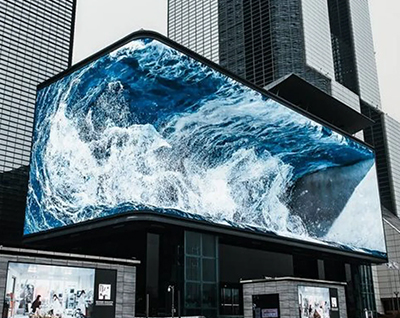
Designing an outdoor curved LED display and its supporting steel structure is a complex engineering task. Engineers must evaluate multiple factors, including structural mechanics, environmental loads, curvature accuracy, and long-term operational reliability.
Compared with indoor installations, outdoor curved LED displays typically feature larger dimensions and stricter safety requirements. These systems operate continuously in open environments, which means they must withstand long-term exposure to wind, rain, temperature changes, and other environmental stresses.
For this reason, a successful design requires careful coordination between display technology, structural engineering, and environmental analysis.
Fixed Outdoor Curved LED Displays
Fixed curved LED screens installed outdoors usually serve long-term advertising or architectural display purposes. Because of their permanent installation, they demand stronger structural support and higher safety standards.
Engineers must ensure that the steel structure can:
- support the full weight of the LED display
- maintain precise curvature alignment
- resist wind pressure and environmental loads
- operate safely for many years without structural deformation
In most cases, designers integrate the steel structure directly with the building or install a standalone support framework designed specifically for the curved display.
Rental and Stage Curved LED Displays
In contrast, rental curved LED panels focus on mobility and rapid installation rather than permanent structural integration.
These displays frequently appear at events such as:
- outdoor concerts
- temporary exhibitions
- touring shows
- festivals
- sports event stages
Because these events require quick setup and dismantling, rental LED systems use specialized structural designs.
Key Features of Rental Curved LED Panels
Rental curved LED displays typically include the following characteristics:
- Lightweight die-cast aluminum LED cabinets
- Fast-lock mechanisms for rapid assembly
- Capability to form concave or convex curves
- Adjustable curvature angles, typically between ±10° and ±20° per cabinet
Unlike fixed outdoor LED displays, rental systems usually do not rely on permanent steel structures. Instead, installers use truss systems, ground stacking frames, or hanging bars to support the screen.
Technicians then adjust the locking angles between cabinets to create the desired curvature.
This modular approach allows production teams to build curved LED walls quickly while maintaining structural stability during live events.
Pre-Design Preparation for Curved Outdoor LED Screens
Before engineers begin designing the structural system, they must first define several fundamental parameters. These data points guide both the display configuration and the structural calculations.
1. Define the Basic Display Parameters
The first step involves identifying the key specifications of the LED display itself.
Important parameters include:
- Screen dimensions – total width, height, and overall thickness (including the supporting structure)
- Curvature type and radius – concave curve, convex curve, S-shaped wave, cylindrical structure, or other custom geometry
- Minimum bending radius (R value) – determines how tightly the screen can curve
These specifications directly influence both the LED module selection and the design of the supporting steel framework.
2. Determine the Installation Method
Next, engineers must decide how the display will attach to the building or supporting structure.
Common installation methods include:
- Wall-mounted structures attached directly to building facades
- Column-supported installations for large standalone billboards
- Roof-mounted LED displays installed on top of buildings
- Ground-mounted independent structures with dedicated steel frameworks
Each method requires a different structural design approach.
3. Analyze the Site Environment
Environmental conditions play a critical role in outdoor LED display design. Engineers must evaluate several environmental factors before finalizing the structural plan.
Key environmental considerations include:
- Local wind pressure levels
- Seismic intensity of the region
- Coastal environments with potential corrosion
- Snow accumulation depth in winter climates
These factors determine the strength requirements of the steel structure and help engineers ensure long-term structural safety.
The Importance of Integrated Engineering Design
Outdoor curved LED display projects require close collaboration between LED manufacturers, structural engineers, and installation teams. When designers integrate these disciplines early in the planning stage, they can optimize both performance and safety.
Manufacturers such as Toosen specialize in custom LED display solutions, including curved LED screens and other special-shaped installations. By combining advanced LED technology with precise structural design, these systems can deliver reliable performance even in demanding outdoor environments.
Conclusion
Designing an outdoor curved LED screen involves far more than selecting a display panel. Engineers must carefully evaluate screen geometry, structural support systems, environmental loads, and installation methods.
Whether the project involves a large fixed outdoor display or a temporary stage installation, proper planning ensures the screen remains stable, safe, and visually impressive throughout its operational lifespan.


