How Tunnel LED Displays Prevent Moisture and Manage Heat Effectively
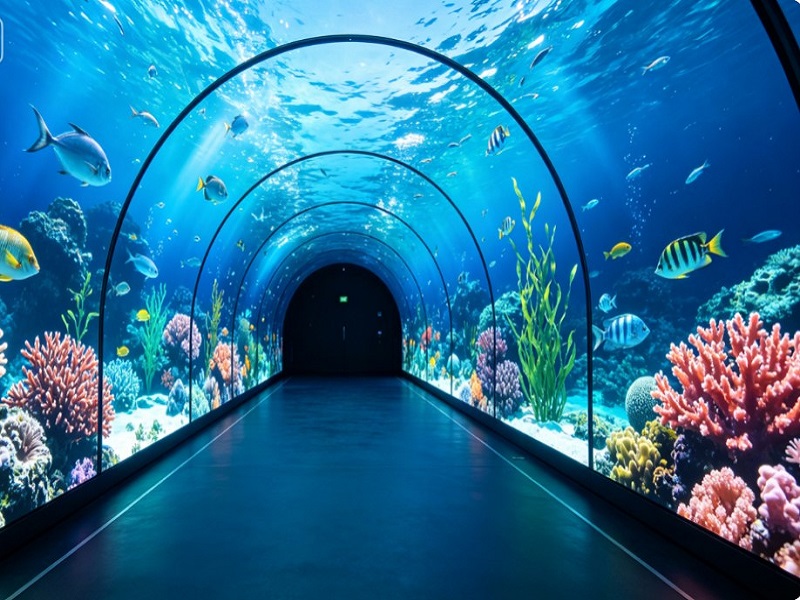
Tunnel LED displays have become increasingly popular in transportation hubs, commercial complexes, museums, theme parks, and immersive experience centers. Their ability to create stunning visual corridors attracts visitors and enhances engagement. However, tunnel environments present unique challenges that many standard LED screens cannot handle.
Moisture, condensation, poor airflow, and heat accumulation can significantly reduce display performance and shorten service life. Therefore, effective moisture protection and thermal management play a critical role in the long-term reliability of tunnel LED displays.
In this article, we will explore how modern tunnel LED screens prevent moisture damage and maintain efficient heat dissipation even in demanding environments.
Why Moisture and Heat Are Major Challenges for Tunnel LED Displays
Unlike conventional indoor LED installations, tunnel LED displays often operate in enclosed or semi-enclosed environments. These spaces usually experience:
- High humidity levels
- Limited air circulation
- Temperature fluctuations
- Condensation caused by day-night temperature differences
- Dust accumulation and water vapor
As a result, moisture can penetrate electronic components while excessive heat can accelerate LED aging. If operators ignore these issues, the display may suffer from dead pixels, color inconsistency, signal failures, or even permanent damage.
Fortunately, modern tunnel LED solutions address these risks through advanced engineering and intelligent system design.
Moisture Protection Technologies for Tunnel LED Displays
Use High-Protection LED Cabinets
The first line of defense starts with the cabinet design.
Manufacturers typically use sealed aluminum or steel cabinets that prevent water vapor and dust from entering sensitive electronic components. High-quality tunnel LED displays often feature protection ratings such as IP54, IP65, or higher depending on the installation environment.
These protective structures help maintain stable operation even when humidity levels fluctuate significantly.
Apply Waterproof and Anti-Corrosion Coatings
Moisture does not always enter through visible gaps. Over time, humidity can gradually affect circuit boards and electrical connections.
To prevent this problem, manufacturers apply protective conformal coatings to:
- PCB boards
- Receiving cards
- Power supplies
- Signal connectors
These coatings create a protective barrier that resists moisture, oxidation, and corrosion. Consequently, electronic components remain stable even in humid environments.
Seal Cable Entry Points
Cable openings often become vulnerable entry points for moisture.
Professional tunnel LED installations use:
- Waterproof cable glands
- Sealed connectors
- Rubber gaskets
- Moisture-resistant wiring systems
These solutions block water vapor while maintaining reliable signal transmission.
Install Dehumidification Systems
For tunnels located in humid regions or underground facilities, active humidity control becomes essential.
Many projects integrate:
- Industrial dehumidifiers
- Environmental control systems
- Smart humidity monitoring sensors
These systems continuously monitor environmental conditions and maintain humidity within a safe operating range.
As a result, operators can prevent condensation before it becomes a problem.
How Tunnel LED Displays Achieve Efficient Heat Dissipation
While moisture threatens electronic stability, excessive heat directly impacts LED lifespan and image quality.
Therefore, effective cooling systems are equally important.
Use Aluminum Cabinets for Better Thermal Conductivity
Many premium tunnel LED displays utilize die-cast aluminum cabinets.
Aluminum transfers heat much more efficiently than traditional steel structures. Instead of trapping heat inside the cabinet, it quickly moves thermal energy away from LED modules and electronic components.
Consequently, the display maintains stable operating temperatures even during continuous operation.
Optimize Internal Airflow Design
Good airflow dramatically improves cooling efficiency.
Manufacturers carefully design cabinet structures to create natural ventilation channels. These pathways allow hot air to escape while cooler air enters the system.
By optimizing airflow, tunnel LED displays can reduce internal temperatures without increasing energy consumption.
Integrate Intelligent Cooling Systems
Large tunnel LED projects often operate for extended hours every day.
To maintain safe temperatures, engineers frequently install:
- Temperature sensors
- Intelligent fan systems
- Automatic cooling controls
When temperatures rise beyond preset thresholds, the system automatically increases airflow and cooling performance.
This proactive approach protects components and reduces maintenance costs.
Adopt Energy-Efficient LED Technology
Modern LED chips generate less heat while delivering higher brightness.
Technologies such as:
- Common cathode power supply systems
- High-efficiency LED drivers
- Low-power LED chips
significantly reduce energy consumption and thermal output.
As a result, the display produces less heat from the beginning, making cooling much easier.
Perform Regular Maintenance
Even the best cooling system requires routine inspection.
Operators should regularly:
- Clean ventilation openings
- Remove accumulated dust
- Check cooling fans
- Inspect power supplies
- Verify temperature sensor performance
Regular maintenance helps maintain optimal airflow and prevents unexpected overheating issues.
Best Practices for Tunnel LED Display Installation
Proper installation significantly improves both moisture protection and heat dissipation.
When designing a tunnel LED project, consider the following recommendations:
Choose the Right Protection Rating
Different tunnel environments require different protection levels.
For example:
- Indoor commercial tunnels: IP54
- Semi-outdoor pedestrian tunnels: IP65
- High-humidity underground tunnels: IP65–IP66
Selecting the correct protection level ensures long-term reliability.
Leave Adequate Maintenance Space
Many project owners focus only on screen size and appearance.
However, maintenance access is equally important. Technicians need enough space behind the display to inspect components, improve airflow, and perform repairs efficiently.
Monitor Environmental Conditions
Installing smart monitoring systems allows operators to track:
- Temperature
- Humidity
- Power consumption
- Fan operation status
Real-time monitoring helps identify potential problems before they affect display performance.
Conclusion
Tunnel LED displays operate in challenging environments where humidity and heat can quickly damage electronic components. Fortunately, modern display manufacturers address these challenges through sealed cabinet designs, waterproof coatings, intelligent humidity control systems, efficient thermal structures, and advanced cooling technologies.
By combining proper moisture protection with effective heat dissipation, tunnel LED displays can deliver reliable performance, vibrant visuals, and a longer service life. Whether you are building an immersive digital tunnel, a transportation corridor, or a commercial attraction, investing in professional environmental protection measures will maximize the return on your LED display investment.
FAQs
1. What humidity level is ideal for a tunnel LED display?
Most LED display manufacturers recommend maintaining relative humidity between 40% and 60%. This range helps prevent condensation while protecting electronic components from excessive moisture.
2. Can tunnel LED displays operate in underground environments?
Yes. Many tunnel LED displays are specifically designed for underground installations. By using high IP-rated cabinets, anti-corrosion coatings, and humidity control systems, they can operate safely and reliably in underground tunnels.
3. How can I tell if my tunnel LED display is overheating?
Common signs include brightness reduction, color inconsistency, unexpected shutdowns, fan alarms, and increased dead pixels. Regular temperature monitoring and preventive maintenance can help detect overheating before serious damage occurs.


