How to Use Creative LED Displays to Tell Powerful Brand Stories
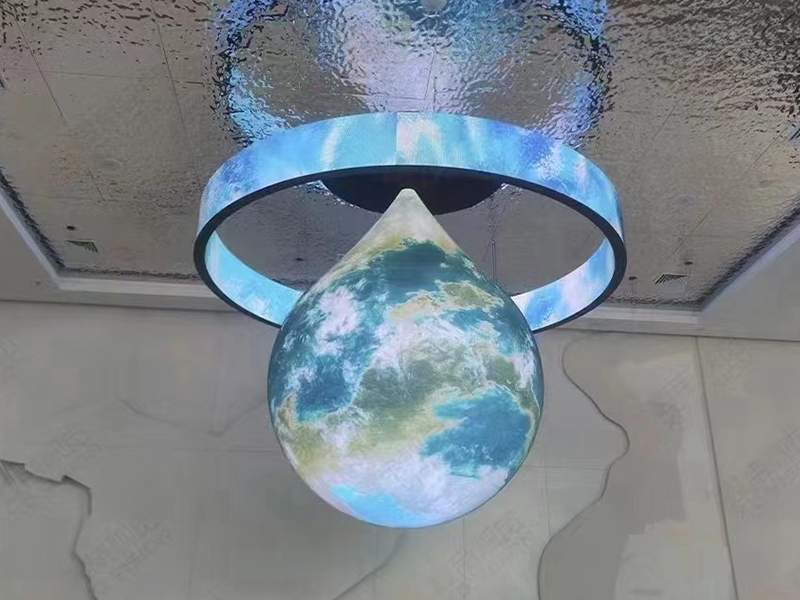
In today's crowded marketing landscape, brands need more than eye-catching visuals. They need memorable experiences that connect emotionally with audiences. This is where creative LED displays come in.
Unlike traditional rectangular screens, creative LED displays—such as spherical screens, curved LED walls, wave-shaped displays, transparent LED screens, and architectural media facades—break visual conventions and create immersive storytelling opportunities. More importantly, they allow brands to turn the display itself into part of the story.
Instead of simply playing a video on an unusual screen, successful brands use the screen's shape, movement, and environment to reinforce their message. Here's how.
Why Creative LED Displays Are Ideal for Brand Storytelling
Traditional digital signage presents content within a fixed frame. Creative LED displays remove those limitations and transform storytelling into a spatial experience.
As a result, audiences don't just watch the story—they become part of it.
Creative LED screens help brands:
- Capture attention instantly
- Create stronger emotional connections
- Increase brand recall
- Deliver immersive experiences
- Encourage audience participation
- Turn physical spaces into storytelling platforms
Let's explore several proven storytelling strategies.
1. Let the Screen Shape Become the Brand Symbol
The most effective creative LED projects start with a simple principle: the screen shape itself should communicate meaning.
Every display form naturally suggests a specific idea or emotion.
| LED Screen Shape | Storytelling Meaning | Ideal Applications |
|---|---|---|
| Curved LED Screen | Protection, inclusiveness, continuity | Insurance, automotive, healthcare, childcare |
| Ring LED Screen | Connection, cycles, unity | Technology, sustainability, lifestyle brands |
| Wave-Shaped LED Screen | Energy, movement, rhythm | Sports, beverages, music festivals, tourism |
| Spherical LED Screen | Global vision, innovation, completeness | Technology, aerospace, international brands |
| Transparent LED Screen | Purity, openness, futuristic design | Luxury goods, jewelry, cosmetics |
| Architectural LED Facade | Landmark presence, urban integration | Shopping malls, real estate, city branding |
Example
Imagine a water purification company installing a giant water-drop-shaped LED screen.
The animation begins with a tiny droplet forming at the tip of the display. The droplet gradually expands, fills the entire screen, and finally appears to fall into a real water feature below.
In this case, the shape, content, and physical environment work together to tell one cohesive story.
2. Create "Screen-Breaking" Moments with Naked-Eye 3D
Combining creative LED displays with naked-eye 3D technology has become one of the most effective ways to generate attention.
However, successful 3D storytelling requires more than visual effects. Every illusion should support the brand narrative.
A proven storytelling structure includes four stages:
Stage 1: Establish Expectations
Start with conventional content that appears to remain inside the display.
Stage 2: Build Tension
Allow products, characters, or visual elements to approach the screen's edges.
Stage 3: Break the Boundary
Use the display's unique shape to create the illusion that objects extend beyond the screen.
For example:
- A planet emerges from a spherical LED display.
- Ocean waves spill over a wave-shaped screen.
- A vehicle drives through the frame of a curved LED wall.
Stage 4: Connect with Reality
Finally, connect digital content to the physical environment through:
- Lighting effects
- Water features
- Fog systems
- Architectural projection
- Interactive installations
This transition from virtual to physical space creates a memorable climax and reinforces the brand message.
3. Turn the Display into a Visual Timeline
Creative LED screens can also transform time-based stories into physical experiences.
Instead of showing a standard video timeline, brands can use the screen's shape to visualize progress and growth.
Product Launch Countdowns
Ring-shaped LED screens work exceptionally well for countdown campaigns.
As launch day approaches, sections of the ring gradually illuminate until the entire circle lights up during the product reveal.
Brand History Journeys
A long wave-shaped LED installation can function as a physical timeline.
Visitors walk alongside the display and discover different milestones as they move through the space.
This approach transforms passive viewing into active exploration.
Real-Time Data Storytelling
Architectural LED facades can visualize live data that reflects brand impact.
Examples include:
- Trees planted
- Carbon emissions reduced
- Customers served
- Donations generated
- Community projects completed
By visualizing real-world contributions, brands make abstract achievements tangible and emotionally engaging.
4. Make Audiences Part of the Story
Modern consumers no longer want to remain passive observers. They want to participate.
Fortunately, creative LED displays naturally support interactive storytelling.
Motion and Proximity Interaction
When visitors approach a spherical LED screen, digital particles can scatter across the surface and reveal the brand's core message.
As more people gather, those particles can merge into a logo or slogan.
Mobile Participation
Visitors can scan a QR code and upload photos, messages, or artwork.
The content then appears on a wave-shaped LED display, becoming part of a larger collective visual story.
As participation grows, the display evolves in real time.
Sound-Driven Visual Experiences
At concerts and festivals, audience cheers can directly influence screen animations.
The louder the crowd becomes, the more dramatic the visual effects grow.
Eventually, the brand identity emerges from the sound-generated motion, creating a memorable connection between audience energy and brand presence.
5. Integrate the Screen into the Environment
The most sophisticated creative LED projects don't treat the screen as an isolated advertising platform.
Instead, they make the display feel like a natural extension of the surrounding space.
Transparent Retail Storytelling
Luxury retailers increasingly use transparent LED screens in storefront windows.
During the day, customers see physical products through the glass.
At night, digital models, animations, and storytelling elements appear around the products, blending physical and virtual experiences.
Responsive Architectural Displays
A ring-shaped display inside a shopping mall can react to environmental conditions.
For example:
- During quiet hours, the display emits gentle breathing-like light patterns.
- During peak traffic periods, the visuals become more energetic and dynamic.
- During holidays, the content adapts to seasonal themes.
As a result, the screen becomes a living part of the building rather than a simple advertising medium.
Localized Storytelling
Large architectural LED facades should reflect local culture and community identity.
Instead of displaying the same advertisement everywhere, brands can tailor content to:
- Local festivals
- Historical landmarks
- Seasonal traditions
- Regional art styles
- City-specific stories
This approach helps audiences feel that the brand genuinely belongs within their community.
The Future of Brand Storytelling with Creative LED Displays
Creative LED displays do much more than showcase content. They transform physical spaces into immersive storytelling environments.
Whether you choose a spherical LED screen, a wave-shaped display, a transparent LED wall, or a large-scale architectural facade, success depends on one key principle:
Make the screen itself part of the narrative.
When shape, content, interaction, and environment work together, brands create experiences that audiences remember long after the screen goes dark.
As immersive marketing continues to evolve, creative LED displays will become one of the most powerful tools for building emotional connections and bringing brand stories to life.


