What Is a Flexible LED Screen? Features, Benefits
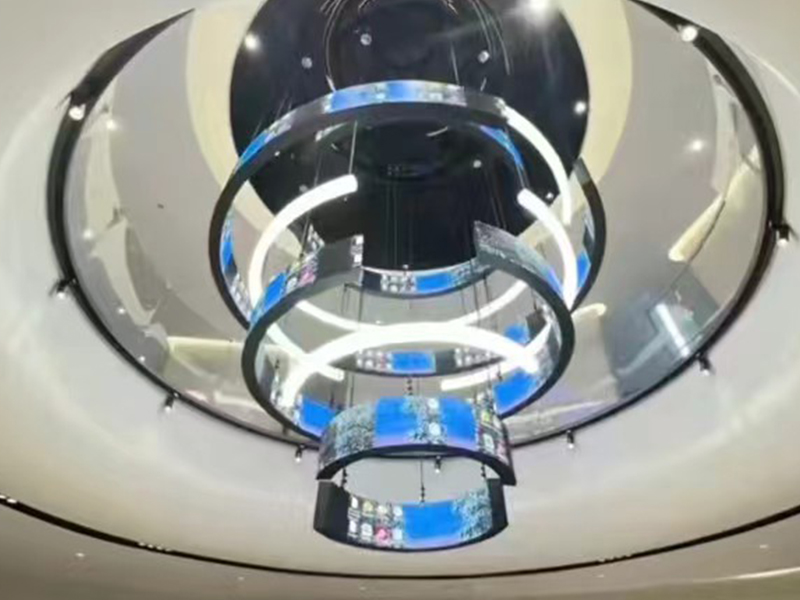
Simply put, a flexible LED screen uses a lightweight and bendable substrate instead of a rigid panel. Because of this design, it can bend, curve, or even fold to match complex structures. As a result, designers can create cylindrical, wave-shaped, spiral, and other highly creative display forms that traditional LED screens cannot achieve.
Key Features of Toosen Flexible LED Screens
1. Highly Adaptable Shapes
First and foremost, flexibility defines this technology. You can easily fit the screen onto curved or irregular surfaces, including inner arcs, outer arcs, columns, and wave structures. Moreover, you can even roll the panels for transportation, which simplifies logistics and speeds up installation.
2. Excellent Display Performance
Despite its flexibility, the screen still delivers sharp images and vibrant colors. Even when bent, it maintains consistent brightness and uniform color output. In other words, shape does not compromise visual quality.
3. Lightweight and Slim Design
In addition, flexible LED screens are significantly thinner and lighter than traditional displays. This advantage reduces structural load requirements, making installation easier and more cost-effective. At the same time, it improves portability during transport and setup.
4. Versatile Installation Methods
Flexible LED screens support multiple installation approaches, such as suspension, wall mounting, embedded installation, and magnetic attachment. Because of this versatility, designers can seamlessly integrate the display into architectural elements—for example, directly attaching it to glass curtain walls.
5. Energy Efficiency and Long Lifespan
Finally, these screens consume less power and offer long operational lifespans. With optimized current control, some configurations reduce energy consumption by 20%–30%, which lowers long-term operating costs.


