What Is the Color Temperature of a Creative LED Display?
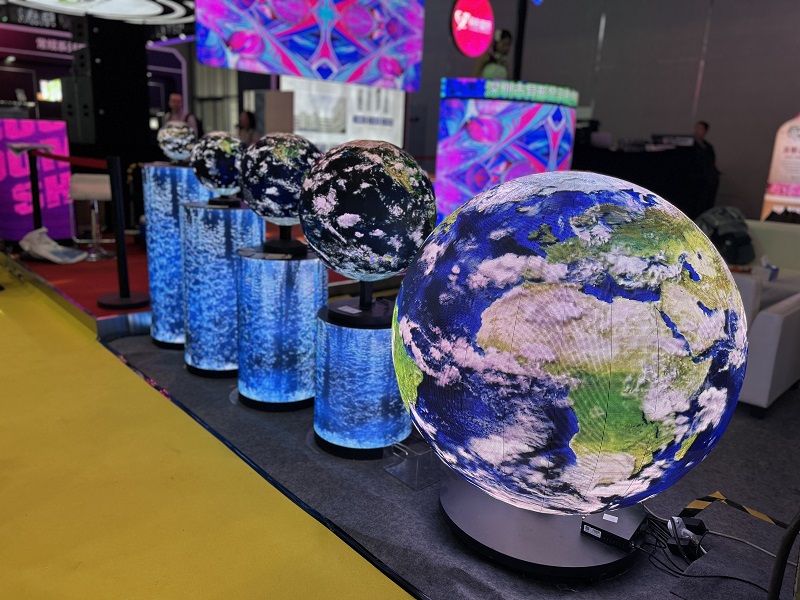
The color temperature of a creative LED display, also known as a custom-shaped or irregular LED screen, does not have one fixed value. Instead, manufacturers design these displays with adjustable color temperature ranges to match different installation environments and visual requirements.
Depending on the LED module type, control system, and application scenario, the color temperature can vary from warm white tones to extremely cool white tones.
Common Color Temperature Ranges for Creative LED Displays
Different types of irregular LED screens support different adjustable color temperature ranges.
| Product Type | Color Temperature Range | Application Notes |
|---|---|---|
| Cylindrical LED creative screens | 1000K – 13000K adjustable | Common in indoor fine-pitch projects |
| Outdoor creative LED displays | 2000K – 15000K adjustable | Designed for high-brightness outdoor use |
| P2.5 creative LED displays | 5000K – 12000K adjustable | Widely used in commercial installations |
| P2.0 irregular LED screens | 8000K – 19000K adjustable | Cooler white display preference |
| Fine-pitch LED displays with creative assembly | 1000K – 10000K adjustable | Frequently used in studios and TV productions |
| Outdoor P2.5 flexible LED modules | 6500K or 9300K | Standard options for cylindrical and curved displays |
Common Standard Color Temperature Values
Although many creative LED screens support wide adjustment ranges, several standard color temperatures remain the most commonly used.
6500K – Standard Daylight White (D65)
6500K is the industry-standard daylight white and closely resembles natural daylight.
Manufacturers widely use this setting because it provides:
- Natural color reproduction
- Balanced white tones
- Comfortable viewing experience
- Accurate video presentation
As a result, 6500K works well for most commercial LED display applications.
9300K – Cool White
9300K produces a cooler and brighter visual appearance.
This setting typically creates:
- Higher perceived brightness
- More vivid color contrast
- Stronger visual impact
Many Asian markets prefer 9300K because it makes images appear sharper and more vibrant.
3200K – Warm White
3200K generates a warm and softer lighting effect.
Designers often choose this setting to create:
- Comfortable atmospheres
- Luxury retail environments
- Hospitality-style visual experiences
Warm white tones work especially well in museums, restaurants, bars, and premium retail spaces.
How Creative LED Screens Adjust Color Temperature
Most creative LED displays adjust color temperature through the LED control system rather than through hardware replacement.
Professional LED control platforms allow technicians to independently adjust:
- Red brightness
- Green brightness
- Blue brightness
- White balance
For example, advanced control systems can fine-tune color temperature and color gamut with precision similar to professional image-editing software.
In addition, these systems help eliminate color inconsistencies caused by mixing LED cabinets or modules from different production batches.
This function becomes especially important for:
- Curved LED screens
- Cylindrical displays
- Spherical LED screens
- Large custom-shaped LED installations
because irregular structures make color differences more visible.
Recommended Color Temperatures for Different Applications
Different installation environments require different color temperature settings.
TV Studios and Stage Productions
Studios and broadcast environments usually require a wide adjustable range, such as 1000K–10000K.
This flexibility allows the LED screen to match:
- Camera settings
- Studio lighting
- Stage effects
- Live production requirements
Accurate color matching helps avoid visual inconsistencies during filming.
Shopping Malls and Commercial Complexes
Commercial spaces often adjust color temperature dynamically according to traffic flow and atmosphere.
For example:
- 3000K warm lighting during quieter hours creates a relaxed shopping environment
- 5000K cooler white lighting during peak hours improves brightness and visual energy
This approach enhances customer engagement and overall visual comfort.
Museums and Exhibition Spaces
Museums typically use a softer color temperature range between 2700K and 4000K.
These warmer settings help:
- Protect the viewing atmosphere
- Complement exhibit lighting
- Improve presentation quality for cultural artifacts
Outdoor Advertising and Stage Events
Outdoor creative LED displays commonly use:
- 6500K
- 9300K
These settings improve:
- Long-distance visibility
- Perceived brightness
- Outdoor contrast performance
As a result, the content remains clear even under strong ambient lighting conditions.
Why Color Temperature Matters for Creative LED Displays
Color temperature directly affects how viewers perceive the screen.
Proper color temperature settings improve:
- Visual comfort
- Brand presentation
- Image realism
- Content readability
- Atmosphere creation
For creative LED displays with complex shapes and immersive installations, accurate color control becomes even more important because curved surfaces reflect light differently from flat screens.
Conclusion
Creative LED displays do not use one universal color temperature. Instead, modern systems support wide adjustable ranges, commonly from 2000K to 15000K or even broader depending on the module configuration and control system.
Users can customize the color temperature according to the installation environment, viewing distance, lighting conditions, and branding goals.
When selecting a creative LED display, buyers should pay close attention to the “adjustable color temperature range” listed in the product specifications. A wider adjustment range provides greater flexibility for future applications and content optimization.


